• Profile
  • Press
  • Contact

Alexander Pincus

  • Profile
  • Press
  • Contact

Outdoor Oysters and Beer? Still on Ice, With Summer Nowhere in Sight

07virus-seasonal1-jumbo-v2.jpg

Via The New York Times, written by Pete Wells

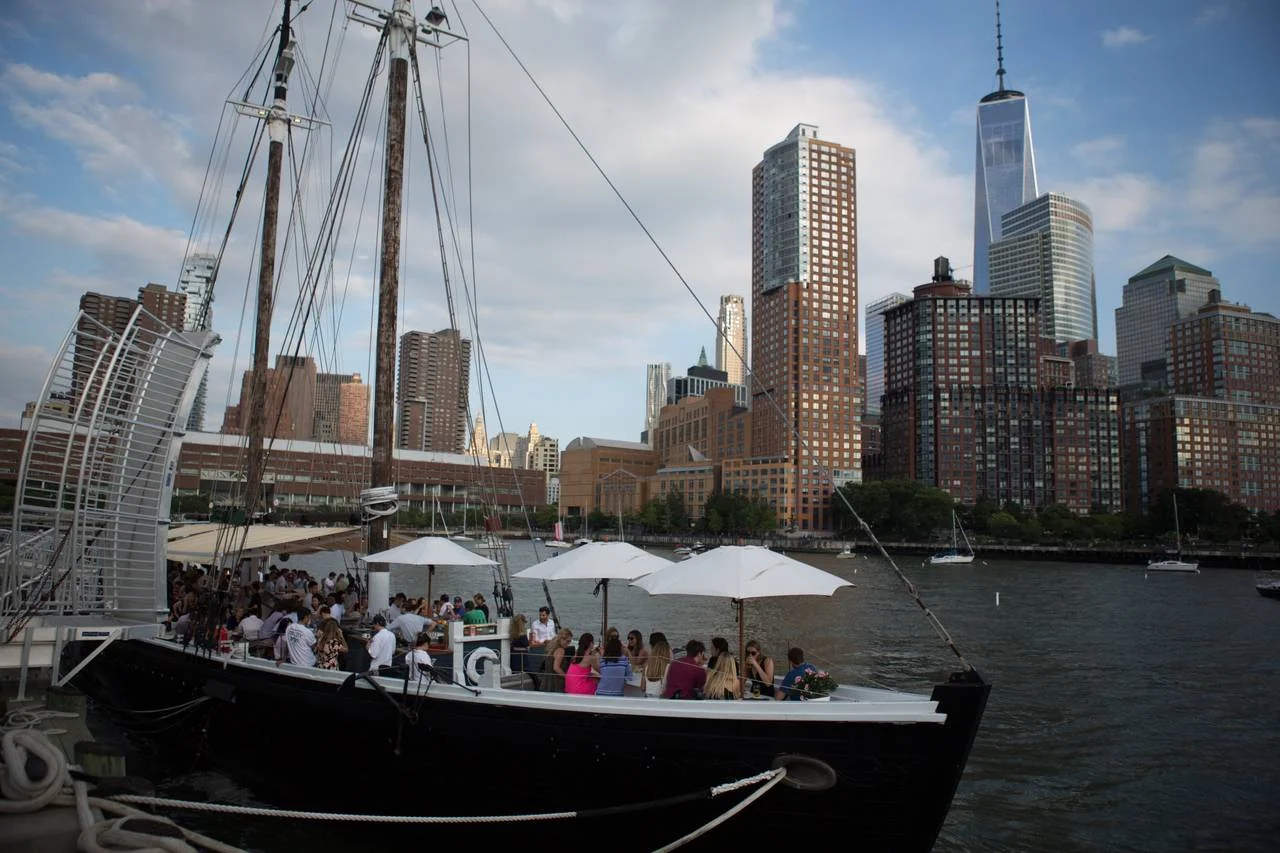
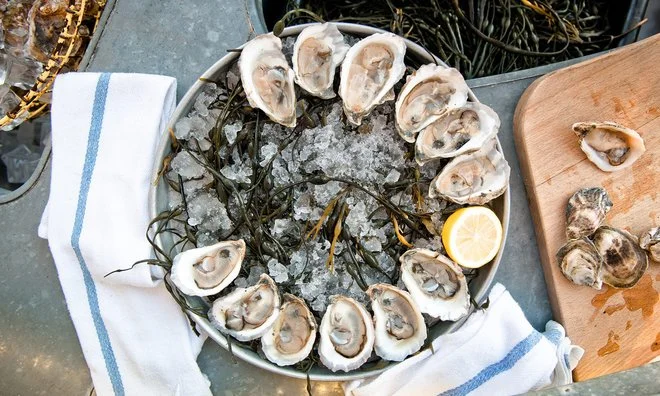
The Sherman Zwicker, a 78-year-old wooden fishing schooner, returned to New York City at the end of March after spending the winter in dry dock in Connecticut, having parts of its hull replanked by shipwrights at the Mystic Seaport Museum. With some fresh paint, a new awning and a load of supplies, the schooner would be ready to cruise to Pier 25 in Hudson River Park, where every year since 2014 it has operated as an outdoor oyster bar called Grand Banks.

The first customers of 2020 were supposed to have boarded on April 15, but the Sherman Zwicker is still docked in Red Hook, Brooklyn. Next to it is an older schooner that also serves as an oyster bar in warm weather; called Pilot, it was scheduled to start up again in Brooklyn Bridge Park on May 1.

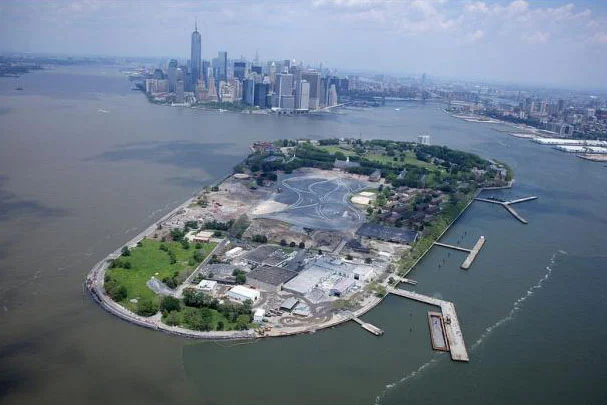
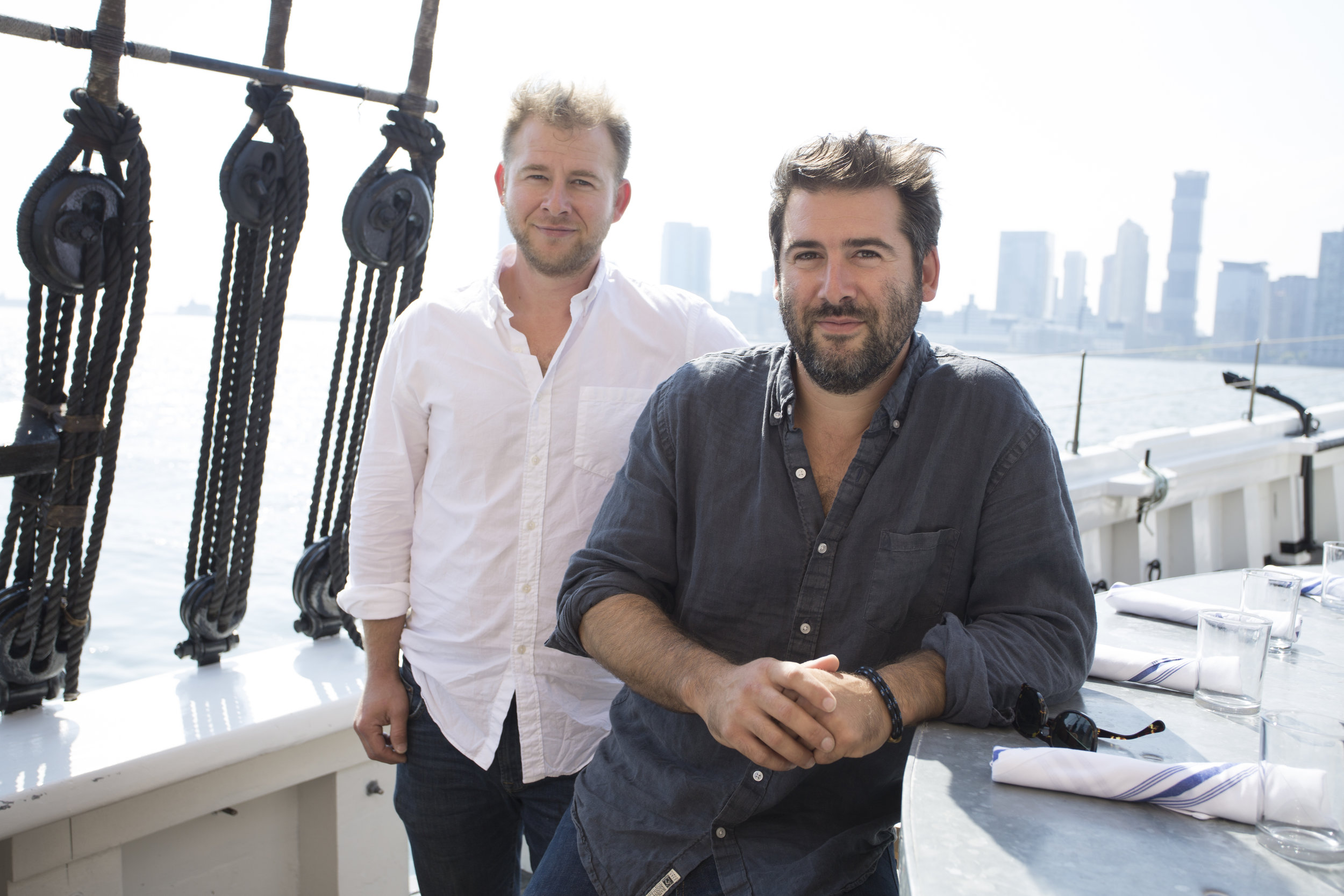
Alexander Pincus and his brother Miles own and run both restaurants along with Island Oyster, a nonfloating oyster bar on Governors Island they had meant to reopen the same day as Pilot. Other projects were in the works for later in the season, too, including a restaurant on a retired fireboat.

Those plans were laid before Americans began dying of a powerfully contagious new disease. Now, like millions of other people whose way of making a living is temporarily banned, Alexander Pincus isn’t sure what the future holds. He is at home in Brooklyn, recovering from what he calls “a very bad” respiratory illness that he believes was Covid-19, and wondering how long his savings will last.

“I’ve got a 5-year-old,” he said. “My girlfriend was laid off. And I’m hoping our season starts soon so we can keep it all together.”

Some of these businesses are fixtures of the warm-weather landscape — the ice cream stands, seafood shacks, beer gardens, open-air taquerias. Others follow a more recent entrepreneurial model, selling niche products out of banged-together stalls or eye-catchingly painted trucks at outdoor markets, festivals and concerts.

All of them depend on freedoms that are usually taken for granted but that the pandemic has placed in short supply, like the freedom to travel, the freedom to go to the beach and the freedom to stand in the hot sun eating out of paper cartons in the company of dozens of other people eating out of paper cartons.

Like the Pincuses’ oyster bars, thousands of seasonal food businesses around the country are still in winter storage while would-be customers remain holed up indoors.

Although many seasonal food businesses have a flyaway look, collectively they make a significant contribution to how people experience summer, and to the economy.

After hitting a low point around February each year, the number of restaurant employees tends to peak in June and July, when dining areas spill out to patios and gardens, tourism surges and beach towns come alive. Each summer for the past seven years, restaurants in the United States have added more than half a million jobs, according to the National Restaurant Association.

Nobody expects to see numbers like that in 2020. Chowder shacks that unlock their screen doors on Memorial Day weekend still have a chance to make their opening dates. But businesses that get off to an earlier start have already frozen new hiring.

The Pincus brothers, who had plans to bring on 425 workers for their oyster bars over the next few months, have furloughed 13 of their 18 year-round employees. Big Mozz, a New York company that was expecting to serve about half a million pounds of pecorino- and parsley-flecked mozzarella sticks at seasonal events this year, had planned to hire 200 people.

Big Mozz sells its fried cheese at Citi Field and other local stadiums, the summer-long Celebrate Brooklyn shows, a string of major music festivals around the country and catered events. But with baseball season postponed and one major music festival, the Governors Ball, already canceled, Big Mozz’s core staff of 25 people was furloughed last month.

Matt Gallira, who founded the company, said the money that people earn on short-term gigs at food stalls like his can be vital to them.

“When we travel to a music festival, we might hire 20 to 40 local staff just for the weekend, college kids home for the summer,” he said. “It’s people who depend on the hours with us to pay for their next semester at school. They also get a lot of tips at these jobs. These aren’t nothing jobs.”

Seasonal food businesses were generating temporary work decades before anyone used the term gig economy. A summer spent frying clams or scooping ice cream is a time-honored gateway to a hospitality career. The warmer months also bring a flowering of casual, low-stakes new ventures, from lemonade stands to more original ideas.

Last April, for instance, a recent graduate of Rhode Island School of Design named Ruby Schechter introduced her business, the Better Pop, at the Smorgasburg outdoor food market in Williamsburg. She sold $6 ice pops made from whole fruit and kombucha frozen in a mold she designed herself that gives the pops a futuristic, modular shape. (It resembles a carton that the Jetsons might use for quail eggs.)

The shape is meant to make it easier to bite off chunks of frozen fruit, but it also looks cool, and people walking around Smorgasburg with a Better Pop pop were always being asked what it was and where it came from.

“It was a huge success,” Ms. Schechter said. By the end of the summer she was being hired to bring her pops to corporate events put on by Saks Fifth Avenue, Google, LinkedIn and other businesses. “I made a lot of money in the first year, which for a lot of companies is very hard to do.”

This year was supposed to be even better — “really huge,” Ms. Schechter said. There would be Better Pop stalls at the Governors Ball and other outdoor festivals that look increasingly unlikely now. A collaboration with a fast-casual restaurant chain has been put on hold, she said.

The Better Pop had been scheduled to return to Smorgasburg last weekend, too, when its Brooklyn markets were supposed to reopen. They are on hiatus now, along with a year-round Los Angeles edition and a planned expansion of its World Trade Center market to two days a week from one. Many of Smorgasburg’s nearly 200 vendors are hanging in limbo, according to Jonathan Butler, one of the market’s founders.

Most Smorgasburg stalls take in more than $2,000 a day, he said, while some go up to $5,000. Most hire from two to six people to help out. The total daily sales was $150,000 for each of the two Brooklyn markets and less for the Los Angeles and World Trade Center markets.

While most vendors don’t have the rent obligations that restaurant owners do, “I suspect they’re feeling a similar level of panic,” he said. For many of the newer Smorgasburg vendors, “the thing they’re most qualified to do is go work in a restaurant. So it’s pretty grim. They don’t have a lot of prospects.”

Some seasonal vendors live all year on their summertime income. Others say the money is nice, but isn’t their first priority.

Like many of the people who sell food at the Queens Night Market, an outdoor bazaar of foods from around the world that has materialized every Saturday night from April to October for the past five years, Hendra Lie does not support himself with cooking. Serving the Indonesian food of his childhood from his stall, Warung Jancook, satisfied other needs.

“The Queens Night Market is my passion,” he said. “I like to cook. I like to present myself and the culture through food that I created.”

Still, the exposure and encouragement stirred his ambitions. Before the coronavirus descended on Elmhurst, Queens, where he lives, he had been planning an Indonesian restaurant. Now, he isn’t sure.

Over the past decade or so, outdoor markets like the Queens Night Market and Smorgasburg have become some of the most rewarding pathways to learning about cuisines and dishes. Beyond the money that changes hands, they have cultural benefits that can’t be put in numbers.

“Our largest events are about experience, community and connection between people,” said Matt Cohen, the founder and chief executive of Off the Grid, a San Francisco company best known for shepherding flocks of food trucks around the Bay Area, often in the company of musical acts and fire pits.

This year, Off the Grid had lined up more than 300 vendors to sell momos, lumpia, quesabirria tacos, Sichuan salt-and-pepper fish wraps and many other items. The largest and oldest of the organization’s 30 or so outdoor markets has been going on for 10 years at Fort Mason Center for Arts & Culture. This season it opened for one night, March 6.

As for reopening, Mr. Cohen said, even if San Francisco’s ban on large gatherings is lifted in early May, “we’re looking at midsummer at the earliest” before Off the Grid’s larger outdoor events will be back.

“That casual collision connecting people in unplanned ways is something we have found to be very powerful,” he added. “It’s the same thing that makes farmers’ markets very vibrant.”

Seasonal businesses tend to be streamlined. They are built to go dormant and then reawaken on cue. Employees are usually lined up and waiting for opening day. Budgets run low. Everything is timed for the money to start circulating again in April and May.

The only thing circulating this year is anxiety. Nobody knows when people will be free to move around again, or how long it will take for them to feel safe outside.

“A lot of us vendors are thinking about are how many people are going to show up to these social events,” Ms. Schechter, the fruit pop vendor, said. “How many people are still going to be scared, and not want to put themselves in situations where there’s a lot of people?”

Against this fear, seasonal vendors hold on to hope that when the crowds do come back, they’ll be ready for action.

“People do seem really excited about the prospect of getting outside again,” Alexander Pincus of the Grand Banks oyster bar said. “That’s the light at the end of our tunnel. It’s what keeps us going every day.”
tags: The New York Times
categories: Press
Tuesday 04.07.20
Posted by Alexander Pincus
 

The Brothers Behind New York City's Waterfront Restaurant Boom

_MG_8053.jpg

Via CNN, written by Olivia Camerini 

(CNN) — Even though Manhattan is an island, it's easy to get caught up in the whirlwind of the interior of the city and forget that it is, in fact, a waterfront city.
If you're looking for a change of pace from the somewhat chaotic and slightly intimidating drinking and dining scene in New York City, you don't have to go farther than the waterfronts to find an entirely new experience.
Restaurateurs Alex and Miles Pincus have changed the way New Yorkers drink and eat by tapping into the city's waterfronts and creating scenes where you can enjoy the tranquility of being on the water.
Throughout the 17th and 18th centuries, Manhattan was surrounded by oyster barges that, as Alex explains, "were basically saloons on the water where you could go for a beer and oysters." Inspired by this concept, the brothers set out to bring the city's drinking and dining scene back to the waterfronts.
It begins with a schooner
http-%2F%2Fi2.cdn.cnn.com%2Fcnnnext%2Fdam%2Fassets%2F170831162413-grand-banks-new-york-super-169.jpg
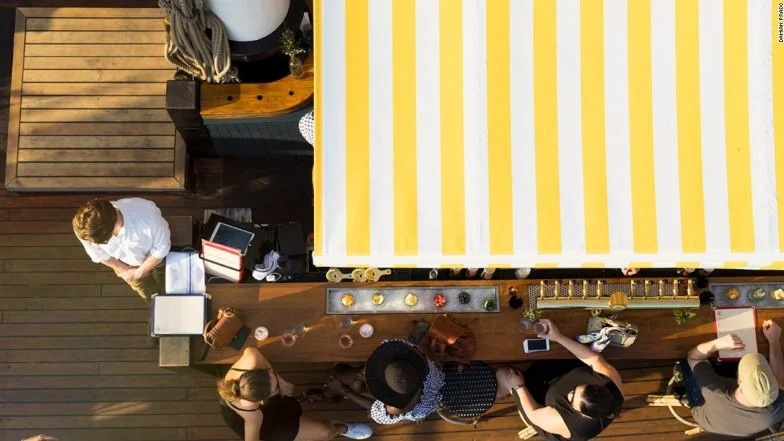
It all started with a 72-year-old codfish schooner that would eventually become a restaurant and oyster bar called Grand Banks. The old sailors' bunks became the kitchen, and the deck was outfitted with two nautical-themed bars and a dining area. Clearly, the concept worked: Even on a weeknight, you may find yourself waiting in a line that extends down the pier.
The nautical-inspired cocktail list includes a wide variety of liquors and flavors and the prices are pretty standard for New York nightlife, around $15 a drink. If you're a tequila drinker, try the Fracas (it includes pineapple and lime along with a smoky mezcal, which creates an interesting contrast). On a brutally hot day, cool off with The Fisher's Country Club (gin, grapefruit, and lemon) or a Skipper Key (rose mixed with strawberry, cucumber and lemon).
Aside from the oyster selection that changes daily, Grand Banks also is known for offering one of the best lobster rolls in Manhattan -- they've truly mastered the mayo-to-lobster ratio.
Other standouts include sea scallops served with bacon and tomato compote, Montauk sea bream ceviche and tomato-and-watermelon salad seasoned with mint, basil and coconut oil. Everything is great to share --and even better when accompanied by a side order of the seaweed salt french fries.
Expansion projects
http-%2F%2Fi2.cdn.cnn.com%2Fcnnnext%2Fdam%2Fassets%2F170831160834-pincus-pilot-super-169.jpg
But the best thing to do with a successful concept is iterate it. Alex and Miles Pincus are continuing to expand New York City's waterfront drinking and dining options, opening two new hotspots just this summer: Island Oyster on Governors Island and Pilot in Brooklyn Bridge Park.
Besides being a way to enjoy the New York waterfront, Island Oyster also holds the distinction of being the first restaurant on Governors Island.
While there are a few other venues that offer a waterfront dining experience such as The Frying Pan and Pig Beach, Island Oyster is unique because in addition to great food and drinks, it offers a true island experience. Since it is a ferry ride away from Manhattan, it fosters a much more relaxed vibe and is an all-day destination (perfect for a staycation for New Yorkers or a day trip for visitors).
Alex Pincus, who describes that their business model has been "to do what we think is cool and feels good," has transformed a former Lenape Native American Indian hunting and fishing ground into a 32,000 square foot venue and unusual dining destination with the help of Eric Cheong (designer of the Ace Hotel Properties).
The gorgeous space boasts two 50-foot bars and tables so close to the water you may even find yourself in a splash zone; along with recreation areas (including activities such as corn hole and ping pong) and a coffee shop.
This location was also an oyster bed, and the brothers liked the idea of bringing the oysters back to where they came from. Alex describes Island Oyster as a place where you feel relaxed and totally alone while technically inside one of the largest cities in the world. Island Oyster is set to be open until October, and should definitely be on your NYC hit list.
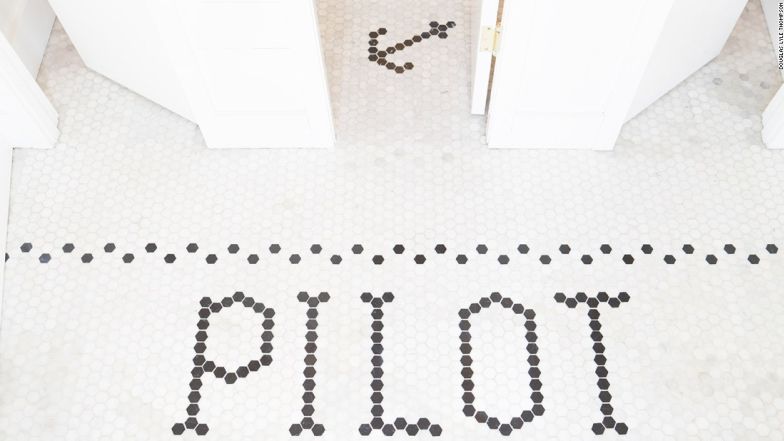
Meanwhile, if you want to try out the Grand Banks concept experience from Brooklyn, the Pincuses have transformed Pilot, a schooner built in 1924, into a bar and restaurant docked on Brooklyn Bridge Park's Pier 6. Pilot has all the same charm as Grand Banks and dawns many special details such as the mosaic-laid tiles in the bathroom. Once built to be the fastest sailboat in the world, Pilot is now serving up the same level of Instagram-worthy food and drinks as Grand Banks against panoramic views of downtown Manhattan.
Two dishes that particularly stand out from Pilot's menu are the Calmar a la Plancha and the Softshell Crab Po'boy. The first is fresh grilled Montauk squid served over a bed of arugula with avocadoes and tomatoes. The Softshell Crab Po'boy (inspired by brothers' New Orleans roots) might take you all day to eat.
And in case you haven't noticed the theme, Pilot also has nautical-themed cocktails: the Life at Sea (vodka, mint, blackberries and lime juice) and the Spirit Animal (light rum, Aperol, coconut, lemon and strawberry).
Like a love of boats, hospitality runs in the Pincus family. Miles and Alex grew up in New Orleans, where their father ran well known restaurants restaurants and hotels such as Royal Orleans. Their father is currently the CEO/GM of Hotel Monteleone, which is also the location of the famous Carousel Bar. (The oyster bar at Monteleone in the '80s and '90s even featured an oyster bar in the shape of a boat...hmm, inspiration?)
While Alex was studying architecture at Columbia and Miles began working on a sailboat, they started spending more time out on the water and realized how largely untapped the city's waterfronts were. Their first venture was a sailing school and summer camp on the Upper West Side called Atlantic Yachting that is still in operation today..
Island Oyster and Pilot, like Grand Banks before them, are redefining New York's dining scene by offering true waterfront city experiences. Whether you live in the city or you're just visiting, all of these venues transport you out of Manhattan's chaos and allow you to appreciate the city's waterways.
tags: CNN
categories: Press
Friday 09.01.17
Posted by Alexander Pincus
 

Grand Banks To Open Two New Oyster Bars in New York City

Grand-Banks-Forbes-Alex-Pincus.jpg

Via Forbes, written by Lisa Kocay

Always have a hard time getting a seat at Grand Banks?
The owners of the popular Manhattan oyster bar—located on a historic wooden boat on the Hudson River—are opening two new seasonal oyster restaurants: Island Oyster, a 32,000-square-foot site on Governor's Island featuring a 100-foot bar, and Pilot, set to debut at Brooklyn Bridge Park's Pier 6.
"We're taking what we do at Grand Banks and trying to make it a little bit more accessible," says Alex Pincus, who co-owns the bar with his brother, Miles.
Customers can expect a "pretty easy-going summer menu" at Island Oyster, with highlights including fish tacos and of course, sustainability harvested oysters. Grand Banks chef Kerry Heffernan—inventor of the Shake Shack burger—will be the head chef at Island Oyster, where he'll get his second-go at creating another "fantastic" burger, Alex says. (The kitchen at Island Oyster, which had a soft opening Fourth of July weekend, is set to open later this month, but the bar is open for now.)
The Pincus brothers secured the Governor's Island space after winning a bid for the spot, which they discovered through their work with Billion Oyster Project, a Governor's Island-based project aiming to restore one billion oysters to New York Harbor.
The second restaurant, Pilot, is set to open toward the end of the month and will be located on a historic wooden schooner the brothers found "wasting away in a shipyard" and decided to restore, Alex says. 
"The food at Pilot will be quite a lot like the food at Grand Banks, with a couple of twists sort of pushing a little bit harder on the end of New American Brooklyn cuisine, and pushing a little bit harder on some of the influences from the food we grew up on in New Orleans," he says. Pilot's signature dish, the soft shell crab po' boy, was created on a whim at Grand Banks years ago, and the crew had been holding onto the recipe ever since, waiting for the perfect opportunity to serve it.
"[At Pilot] we're having different cocktails and different menu options, but it's a very similar experience with a different view, a different boat and a different location," Alex says. "We basically took what we did at Grand Banks and tried to find a way to do it better."
tags: Forbes
categories: Press
Friday 07.07.17
Posted by Alexander Pincus
 

Island Oyster, a Vast Seafood Restaurant, Opens on Governors Island

Via The New York Times, written by Florence Fabricant:

Headliner

ISLAND OYSTER This 32,000-square-foot mostly outdoor restaurant is opening on Governors Island. The island is home to food events during the spring, summer and fall, but this is its only stand-alone restaurant. And while its ambience couldn’t be more informal, with a raw bar, lobster rolls, fish tacos, corn and burgers, it has full waiter service for the 600 or so guests it can accommodate at a 100-foot stretch of bar, at banquettes and at tables. The kitchen is built into four shipping containers, and the chef, Kerry Heffernan, a seafood expert, will have oysters playing a major role. Alex and Miles Pincus, who run the restaurant, are supporters of the Billion Oyster Project, a nonprofit organization on the island. They also run Grand Banks, a restaurant on a schooner moored in the Hudson River. This month they also expect to open Pilot, an oyster bar on a historic schooner docked at Pier 6 in Brooklyn Bridge Park: The Ferry Landing, Governors Island, 917-268-0200, islandoyster.com; Pilot, Pier 6, Brooklyn Bridge Park, Dumbo, Brooklyn, 917-810-8550, pilotbrooklyn.com.


Opening

CITY ACRES MARKET Housed in a converted office tower in the financial district, this branch of the South Williamsburg grocery will have outside vendors. The lineup is Vanessa’s Dumpling House, Artichoke Basille’s Pizza, Beyond Sushi, the Cinnamon Snail and JuiceBrothers (Opens Tuesday): 70 Pine Street (Pearl Street), 917-261-4530, cityacresmarket.com.

DINING ROOM AT THE METROPOLITAN MUSEUM OF ART The elegant fourth-floor restaurant has been exclusively for members; last week it opened to the public. Fred Sabo, the chef, offers American food on à la carte lunch and dinner menus. There’s a tasting menu in the evening, frequently with a theme reflecting an exhibition. Open for dinner on Fridays and Saturdays only: Metropolitan Museum of Art, 1000 Fifth Avenue (82nd Street), 212-570-3975, metmuseum.org.

NARCBAR This bar next to Narcissa, a restaurant with food from the chef John Fraser in the Standard East Village hotel, pulls its name from its neighbor. It’s in the style of a New York hangout, with Tonia Guffey as the drinks consultant. Mr. Fraser’s bar food includes onion rings, peel-and-eat shrimp, green pea tostada, a burger and “obligatory kale salad” with avocado and Caesar dressing. (Thursday): The Standard East Village, 25 Cooper Square (Fifth Street), 212-441-3555, narcbar.com.

THE OFFICE NYC AT THE MANDARIN ORIENTAL NEW YORK The speakeasy-style Chicago bar owned by Grant Achatz, the acclaimed chef of Alinea in Chicago, and his partner, Nick Kokonas, has opened its New York outpost. It’s on the 35th floor of the Columbus Circle hotel in the space that was MOBar. The Aviary, its larger sibling, is to open in the hotel in the fall. For the Office, the designer Adam Tihany created a clubby space, finished in polished wood and leather, with 44 seats and lots of vintage details. “We scoured New York for antiques,” Mr. Achatz said. He said the Office looks back, while the Aviary will be about the future. Both are more about cocktails than food. “But there’s a strong culinary program in the context of a bar,” he said. The Office serves fare like steak tartare, caviar, oysters and salmon rillettes, and, along with $23 mixed drinks, it features “dusty bottle cocktails” made with rare aged spirits that can add more than $100 to the bill: Mandarin Oriental, New York, 80 Columbus Circle (60th Street), theaviary.com, reservations from tocktix.com.

OVENLY This home-style bakery in Greenpoint has opened another Brooklyn location: 210 Flatbush Avenue (Bergen Street), Park Slope, Brooklyn, oven.ly.

tags: The New York Times
categories: Press
Monday 07.03.17
Posted by Alexander Pincus
 

Island Oyster

Via The New York Times, written by Florence Fabricant:

ISLAND OYSTER The Trust for Governors Island, the nonprofit that runs the island, has announced that the season will open early this year, on May 1, and continue through the end of September with this new food and drink establishment. Described as an outdoor concession serving sustainable seafood in a beer garden setting, it will be run by the brothers Miles and Alex Pincus, who own Grand Banks, the seafood bar on the Sherman Zwicker, a historic schooner moored at Pier 25 at the Hudson River: Soissons Landing, Governors Island, islandoyster.com.
tags: The New York Times
categories: Press
Tuesday 01.17.17
Posted by Alexander Pincus
 

The 19 Best Bars in New York City

Via Condé Nast Traveler, written by Pilar Guzman:

3/19 Grand Banks

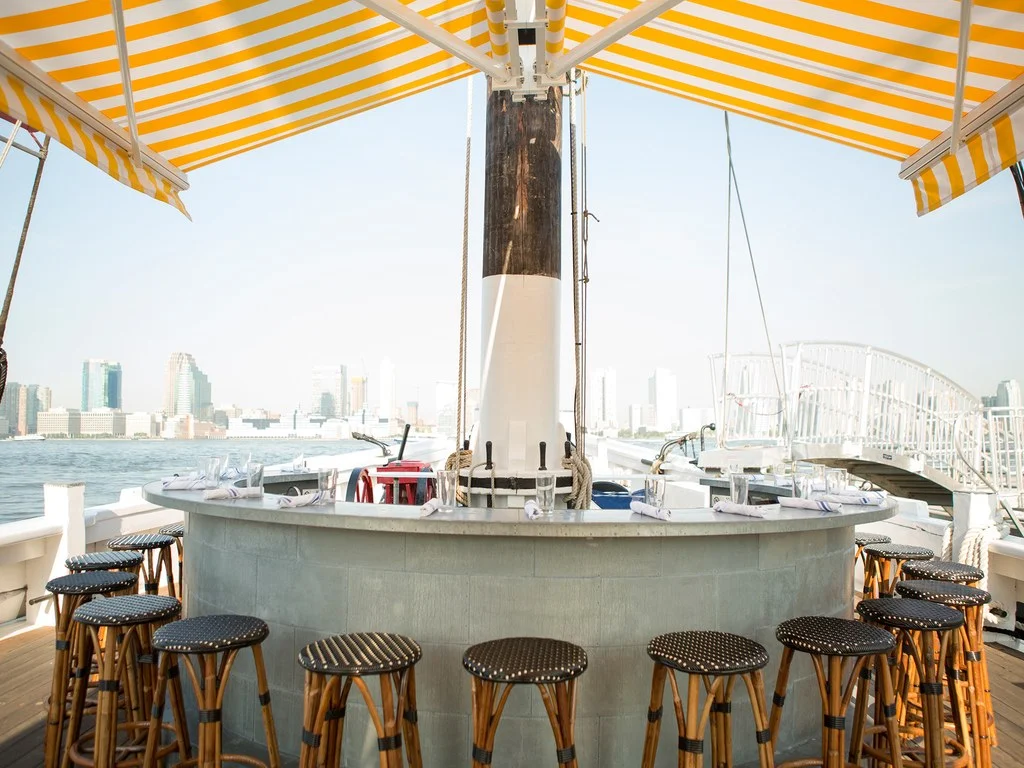
It’s hard to imagine that it’s taken this long for a restaurant or bar—in this case a chic-yet-cheerful oyster bar-plus concept—to take full advantage of Manhattan’s waterfront. When brothers Alex and Miles Pincus and nightclub veteran Adrien Gallo docked the historic Sherman Zwicker schooner at Pier 25 in the summer of ’14, they transformed the west side’s dockyard ruins into an instant warm-weather institution. Whereas so many outdoor waterfront establishments fail with their overwrought raw seafood towers and ersatz nautical décor, Grand Banks nails it with its south of France by way of Nantucket sensibility: Think Provencal yellow-and-white striped awnings and a just elevated enough menu of oysters, lobster rolls and fries, and carafes of easy house rosés and whites on tap. On a summer evening at the golden hour, there isn’t a better place to be in Manhattan than sitting at a tiny white enameled two-top and washing down perfectly plump Peconic oysters by the dozen with Sancerre served in a Duralex glass. The season runs from May to October and those of us who work nearby milk it, all bundled up in scarves, to the bitter end. The best kept secret is weekday lunch, which is served Wednesday through Friday. That and the fries, of course. –P.G.

tags: Condé Nast Traveler
categories: Press
Friday 12.23.16
Posted by Alexander Pincus
 

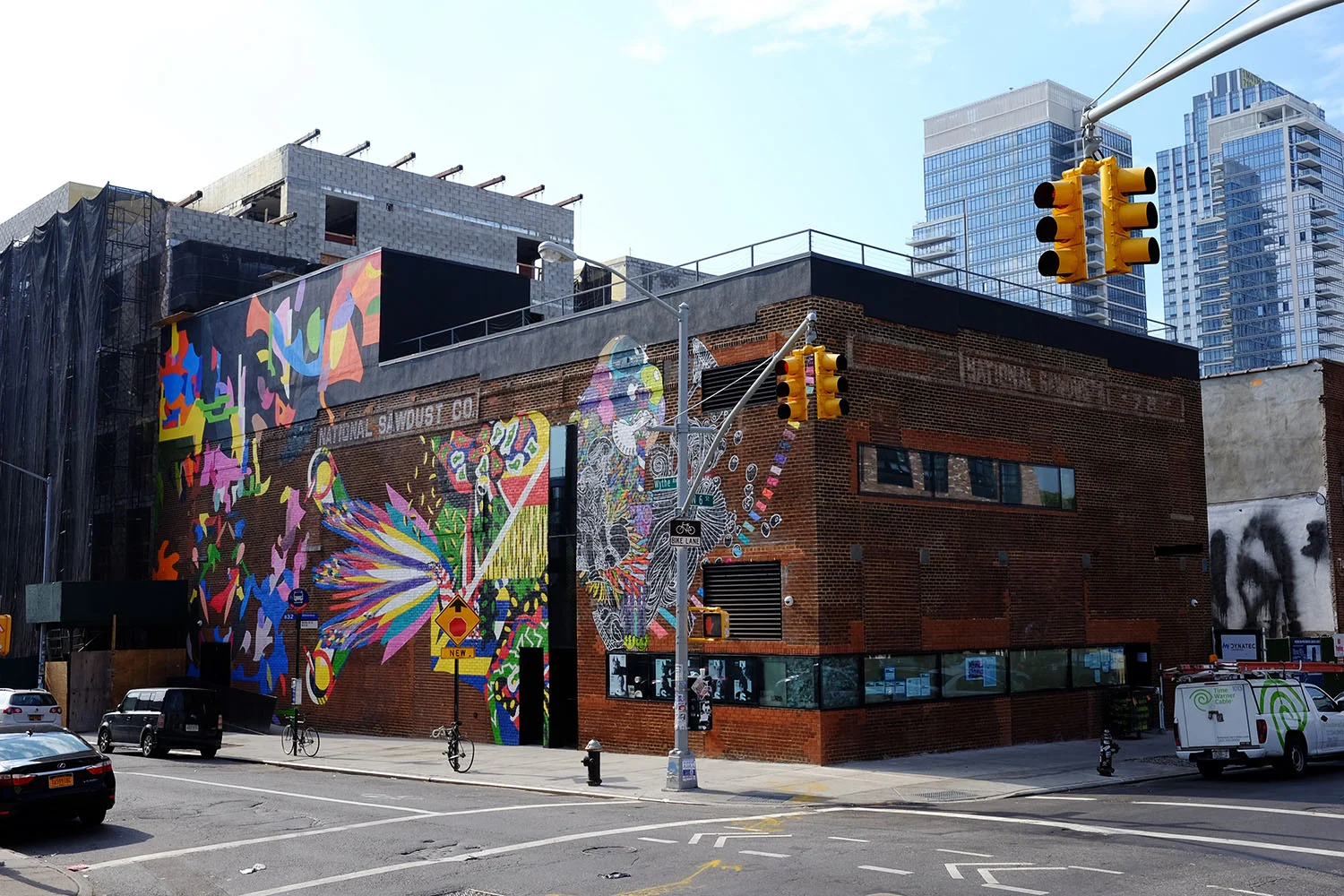
2016 Best of Design Award for Adaptive Reuse: National Sawdust

Via The Architect's Newspaper:

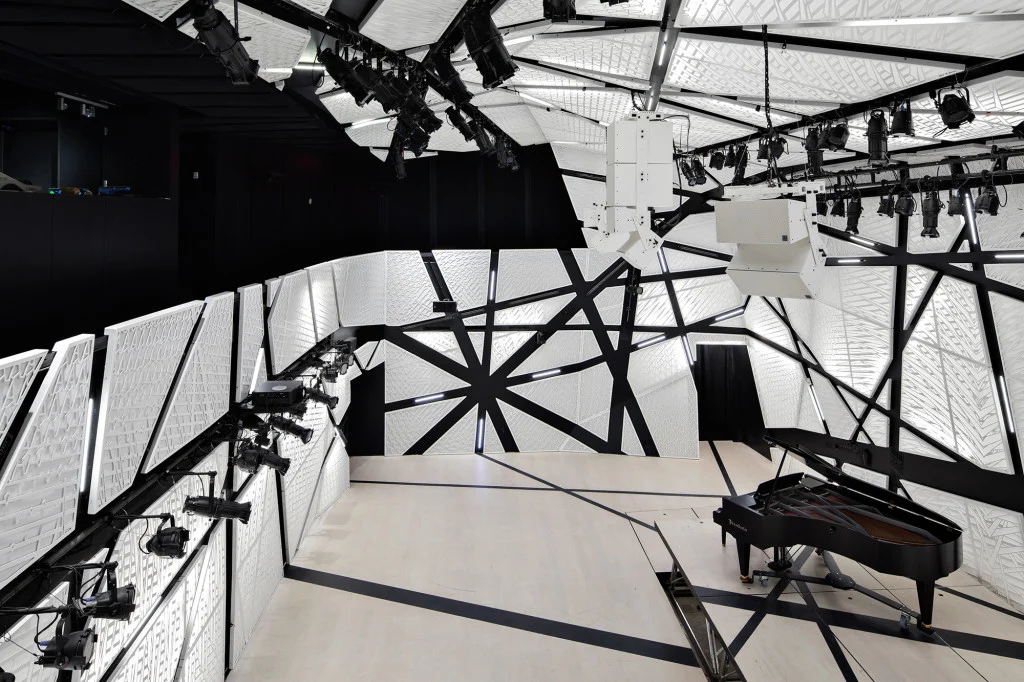
At its core, National Sawdust is a retooling of the 18th-century chamber hall model as an incubator for new music. Described by The New York Times as “the city’s most vital new-music hall,” its design is characterized by the insertion of a highly articulated crystalline form into the rough brick envelope of a former sawdust factory. The design of this state-of-the-art performance and recording space allows the eponymous nonprofit to achieve its mission of supporting new musicians and composers on their way to viable and sustainable careers. In addition to the chamber hall, the project includes a two-story restaurant and lobby-bar.
tags: The Architect's Newspaper
categories: Press
Thursday 12.22.16
Posted by Alexander Pincus
 

5 Best New Restaurants in New Orleans in 2016

21622594-standard.jpg

Via The Times Picayune, written by Brett Anderson:

Restaurants considered for the Best New Restaurant 2016 list had to have opened after Aug. 1, 2015. They also had to have been fully operational by Oct. 1, 2016, allowing for the grace period Brett Anderson gives restaurants before visiting them for review. They are listed in alphabetical order.
Kenton's
Kenton's is the oldest of this year's crop of best new restaurants. The reason it's here is because it felt old even when it was brand new. Back at the tail end of 2015, when Mani Dawes and Sean Josephs opened Kenton's with chef-partner Kyle Knall, the restaurant already bore features of a mature enterprise. Knall cooks modern American food that nods knowingly toward his native South. He's handy with wood smoke and deep frying without using either as a crutch. His expert, modulating touch strikes precisely the right notes for a restaurant that is respectful of tradition while not presuming its customers are only interested in oldies. Josephs and Dawes, who are married, earned their stripes as restaurateurs in New York City, where they still own properties. But Kenton's is far from the smug, subway-tiled speakeasy many locals fear from coastal transplants. It is, rather, a fine-dining restaurant refreshingly in tune to the folkways of its coordinates at the corner of Nashville Avenue and Magazine Street (near where Dawes grew up). The nerd-heaven bourbon selection and premium oyster bar are welcome additions to the Uptown neighborhood. The warmly professional service and serene, conservatively designed dining room signal an even keel. If Kenton's represents change, it's not of the type longtime locals need to fear.
Meril
Meril is the first New Orleans restaurant opened by Emeril Lagasse in nearly 20 years. That's plenty enough time for a restaurateur's muscles to go slack. Meril is proof that the 57-year-old icon has still got plenty of game. From wood-fire grills and wood-fire ovens to Asian barbecue and Jamaican jerk, from flatbreads, handmade pasta and roasted cauliflower to snack plates, small plates and medium plates, Meril's menu is essentially a collection of trends that have taken hold in this no-longer-that-young century. Lagasse is too smart an operator to try authoring another new culinary style at this stage in his career. Meril finds him playing to his strengths, unleashing chef de cuisine Wilfredo Avelar to juice proven strategies with big flavor and personality. This time it's done in an industrial-chic tavern set in a now so-hot neighborhood (Warehouse District) that Emeril all but invented.
N7
Reasonable people can disagree as to whether N7 is a bar, restaurant or bold new form of interactive sculpture. Same could be said about whether canned fish, an N7 specialty, counts as cooking. My take is that the head-scratching incited by this wine-bar-bistro-urban-retreat is a feature, not a bug. The brainchild of filmmaker Aaron Walker and chef Yuki Yamaguchi is, above all else, a place to be: For drinks that may be unfamiliar to you (like natural wine, or Japanese shochu). For the discordant pleasure of lazing about a rural-feeling compound erected on the deeply urban property of a former tire shop. For the stimulating conversations that are sure to touch on what this all adds up to. Scoff at the scallops rillettes, spiced mackerel pate or smoked sardines, if you must. Canned (and jarred) seafood of this quality -- delicacies in Spain, France and Portugal, to name three of the countries they're imported from -- are to the daily catch what charcuterie is to conventionally prepared mammal meat. They're also not the only things served. From the small bar set with boiled eggs to the pork katsu in beet sauce I ate with frites, N7 is an idiosyncratic expression of Francophilia. New Orleans hasn't seen anything like it before. And I can't imagine finding it anyplace else.
Seaworthy
Seaworthy's opening followed that of Josephine Estelle on one side and Balise on the other, completing a makeover of the block of Carondelet Street dominated by the New Orleans Ace Hotel. The restaurant is a collaboration between the Ace and the New York restaurant Grand Banks, whose well-regarded chef Kerry Heffernanis Seaworthy's executive chef; the drinks program is created by a veteran of the influential, now-closed Manhattan bar Milk & Honey.  So no, it is not a place to abjure the outside influences taking root in New Orleans. What it is, however, is a first-rate oyster bar in what has become a national style. Its soul is a happening bar featuring an array of bivalves, organized by region and priced by the single oyster, along with smartly curated libations to match. Chef de cuisine Daniel Causgrove distills a variety of seafood cooking traditions on the larger menu, with a bias toward local ingredients and Southern flavors. His food is by turns folksy (lobster roll, marinated crab claws) and high-flown (butter-poached sheepshead, whole roasted speckled trout) and consistently very good. The small dining rooms in the handsomely restored building are studies in arrested decay, decorated mainly in melted candle wax, populated by people who 18 months ago couldn't have imagined being this enchanted by this part of town.
Turkey and the Wolf
There are two categories on Turkey and the Wolf's menu: "Sandwiches" and "Not Sandwiches." The headings speak to the modesty of an order-at-the-counter sandwich place built in the onetime home of Finger Lick'N Wings. While factually accurate, the categories also are coy about what chef Mason Hereford delivers. Each of his sandwiches seizes an opportunity to turn a familiar path -- the one-bite journey from crisp-to-soft-to-crisp -- into a brief but memorable voyage. It's not high-minded stuff. We're talking about baloney, smoked ham and chicken-fried steak here. The difference is that Hereford, a former Coquette chef de cuisine, and his staff create this unpretentious food as though they were working with Dover sole. The grab bag of snacks (get the deviled eggs, topped with fried chicken skin) and salads are similarly impressive, and all are complemented by co-owner Lauren Holton's intelligent selection of cocktails and other inebriates.
tags: The Times Picayune
categories: Press
Tuesday 12.13.16
Posted by Alexander Pincus
 

Safer Coastlines, Better Business.

Via The Nature Conservancy :

Alex Pincus, co-owner of Grand Banks, an oyster bar that floats on the Hudson, knows climate change could threaten his business. The work we do in New York safeguards it. His boat and livelihood depend on it.


tags: The Nature Conservancy
categories: Press
Monday 12.12.16
Posted by Alexander Pincus
 

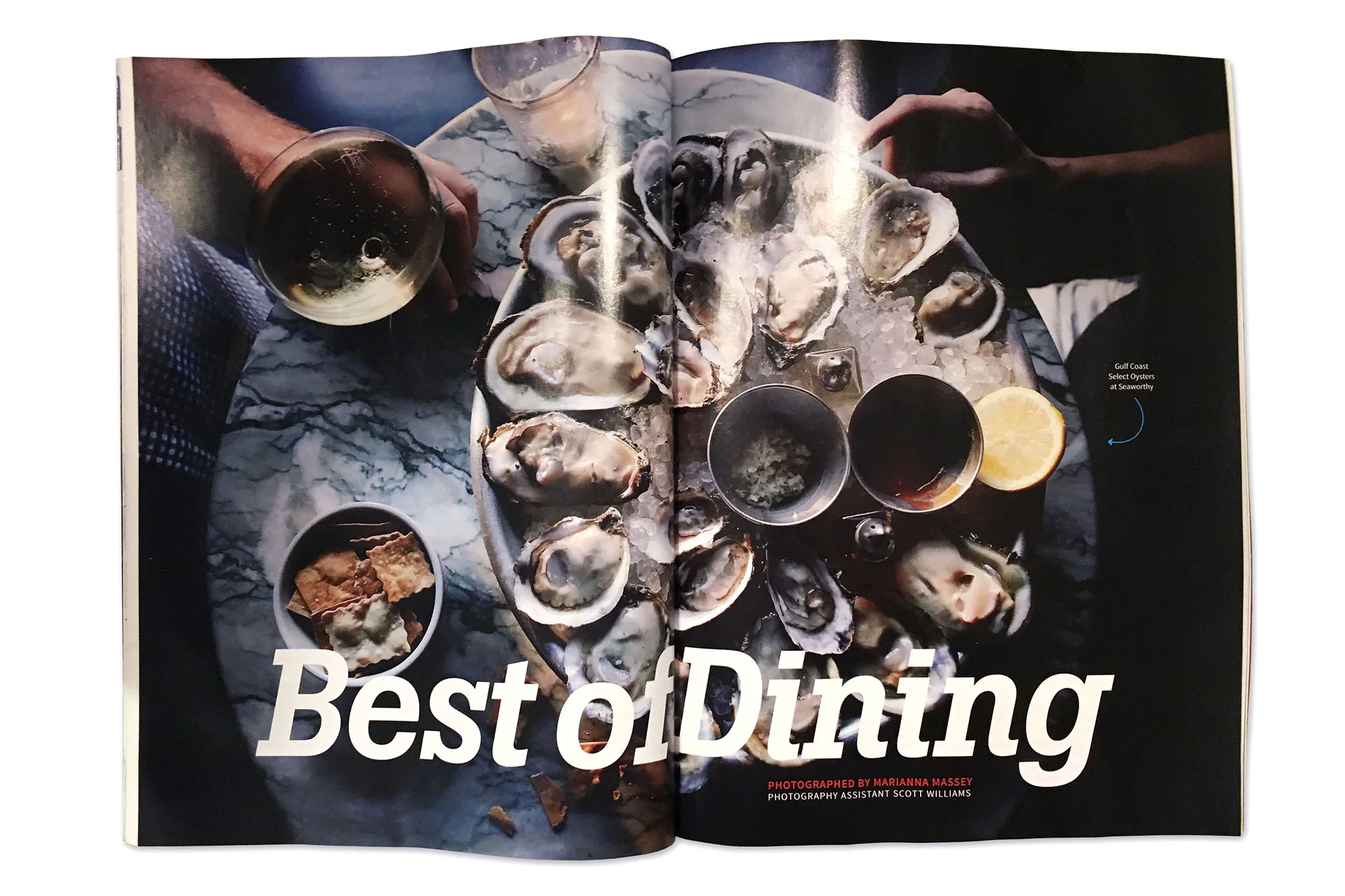
​Best of Dining | Seaworthy | Seafood Restaurant of the Year

Feature_Seaworthy-96570670.jpeg

Via New Orleans Magazine, written by Tim McNally

The ability of New Orleans to serve great seafood is beyond discussion. So to come into a town like this one, that not only knows seafood itself but also delivers incredible preparations, you have to be very brave – or very local yourself. The investors, Alex and Miles Pincus,, are from New Orleans. They come by their seafood culinary chops through heritage and proximity. While Seaworthy (located in the Ace hotel) bills itself as an oyster bar, it isn’t one that we’ve seen before. Oysters from the Gulf are only the beginning. Murder 

Point, Malpeque, Kumamoto, Wellfleet, Blue Point and other oysters raised off the sea floor are in evidence. The seafood itself is the freshest, again, from many other points of origin. Chef Dan Causegrove has been preparing excellent dishes in this town for years. Between the investors and the chef, we have a tacit promise that good things from the sea will continue to flow.

tags: New Orleans Magazine
categories: Press
Saturday 12.03.16
Posted by Alexander Pincus
 

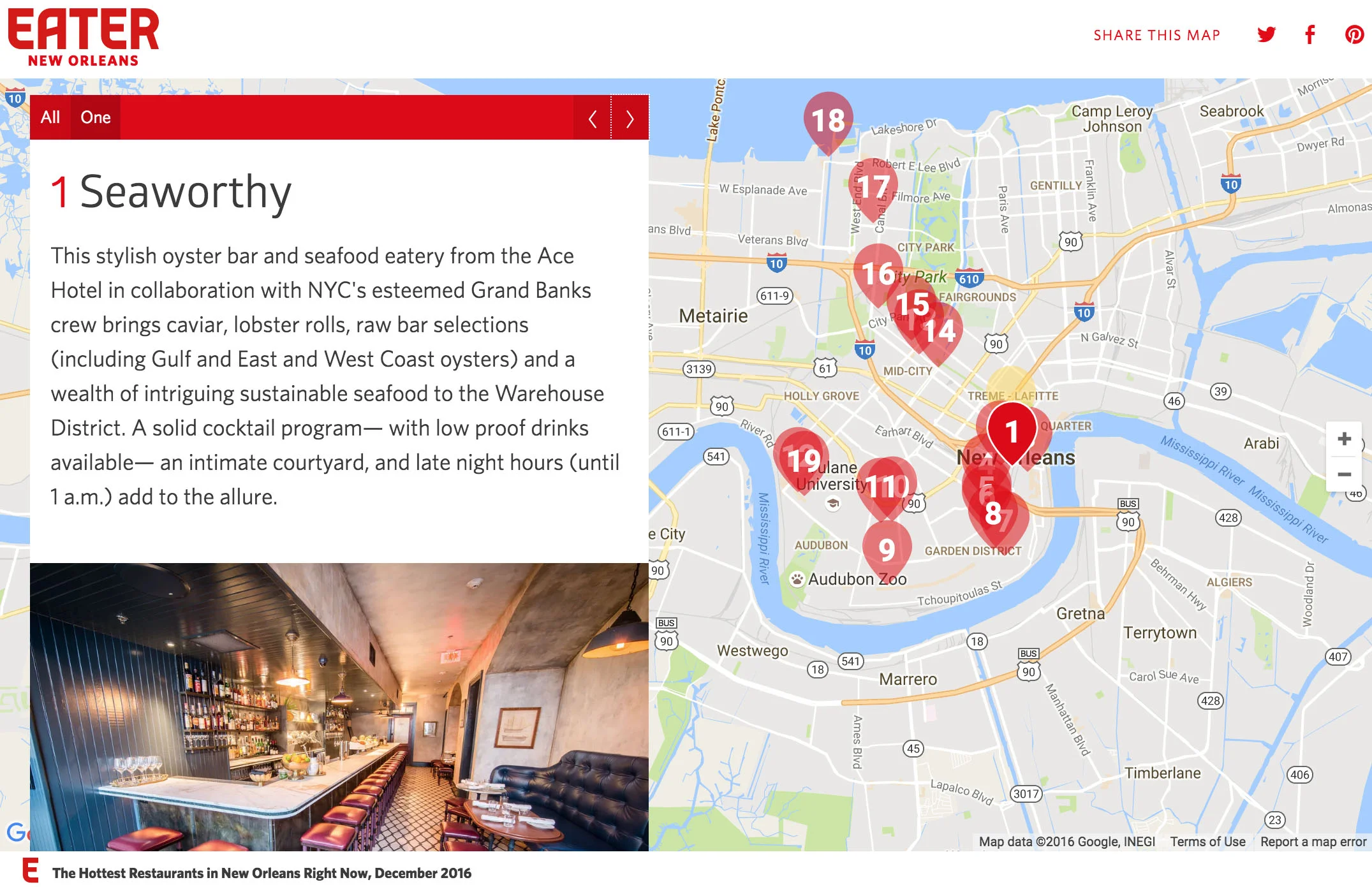
The Hottest Restaurants in New Orleans Right Now, December 2016

Via Eater, written by Gwendolyn Knapp and Nora McGunnigle:

This stylish oyster bar and seafood eatery from the Ace Hotel in collaboration with NYC's esteemed Grand Banks crew brings caviar, lobster rolls, raw bar selections (including Gulf and East and West Coast oysters) and a wealth of intriguing sustainable seafood to the Warehouse District. A solid cocktail program— with low proof drinks available— an intimate courtyard, and late night hours (until 1 a.m.) add to the allure.
tags: Eater
categories: Press
Thursday 12.01.16
Posted by Alexander Pincus
 

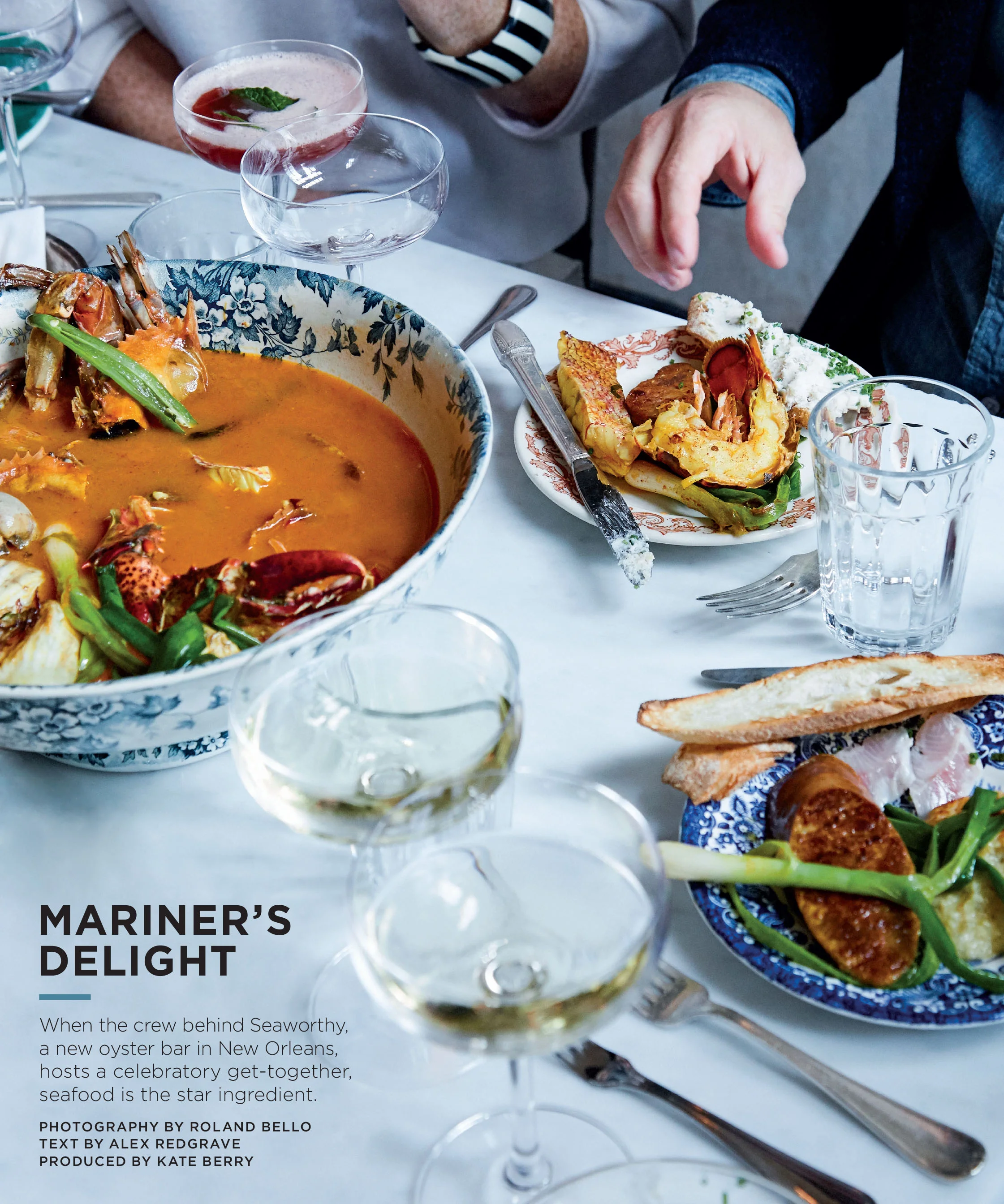
Mariner's Delight

Via Domino, written by Alex Redgrave:

When the crew behind Seaworthy, a new oyster bar in New Orleans, hosts a celebratory get-together, seafood is the star ingredient. 
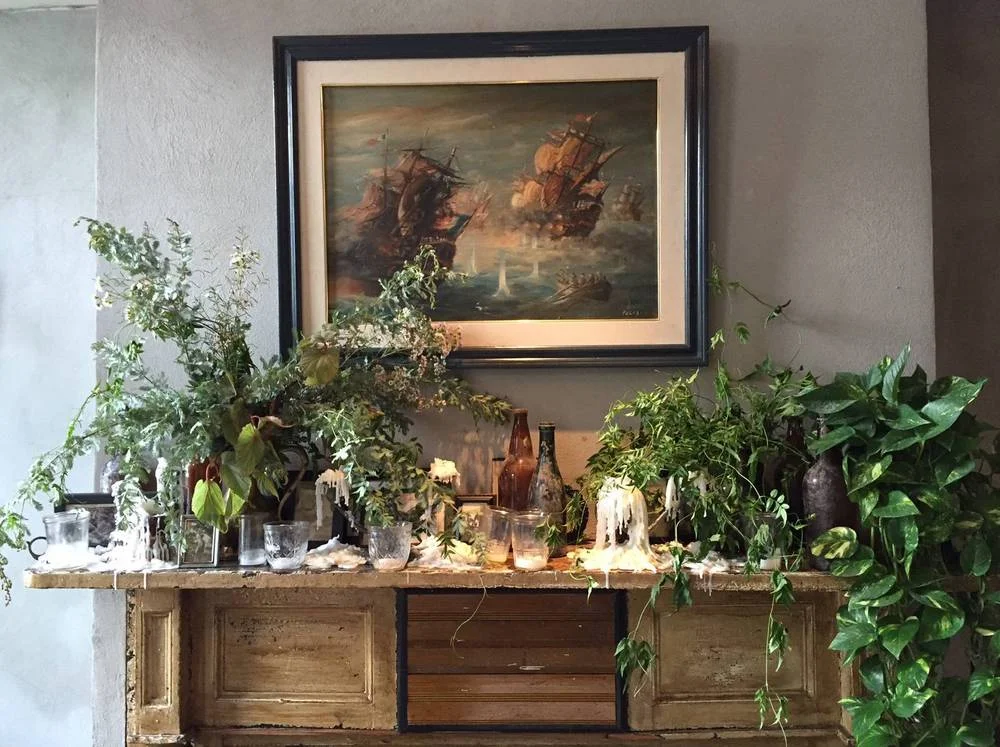
IN A CITY that’s equal parts Southern charm, French finesse, and scrappy eccentric, Seaworthy is a welcome newcomer. The cozy oyster bar, housed in an old town house that’s part of the new Ace Hotel New Orleans a few doors down, feels like a sea captain might return home at any moment. The mantel in the upstairs dining room is artfully covered with candle wax and leafy greenery, while the navy leather booths and emerald-hued marble café tables in the downstairs bar add a modern touch to the sailor’s clubhouse vibe.
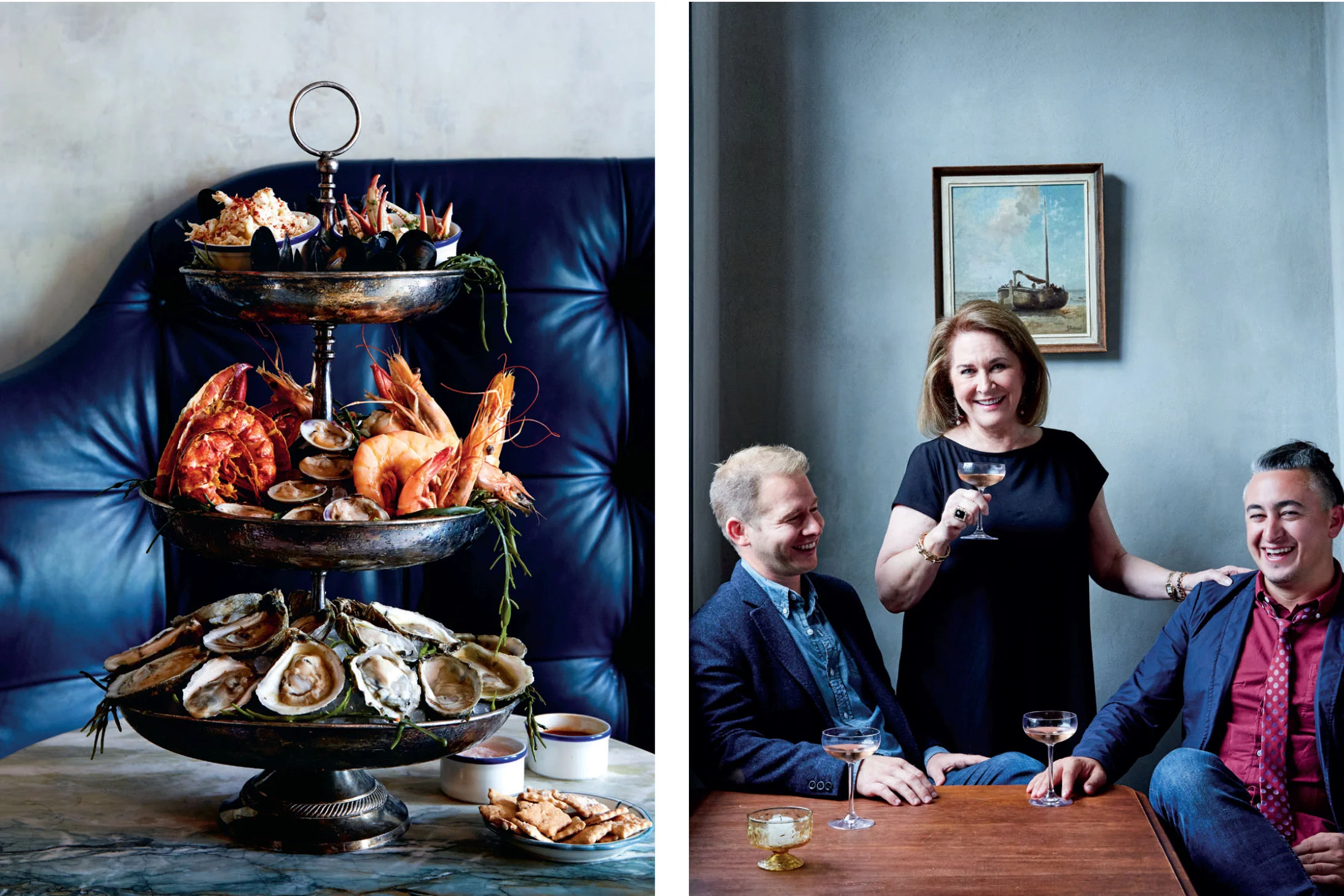
The founding crew behind the space are worth their salt when it comes to entertaining. Brothers Alex and Miles Pincus grew up in New Orleans and learned to sail on Lake Ponchatrain as kids before moving to New York. In 2014, they launched Grand Banks, an oyster bar on a historic schooner docked on the Hudson River, along with their partner, Adrien Gallo. 
To toast the recent Seaworthy opening, the trio assembled a group of their Big Easy–based friends and family. From a kitchen small enough to fit in a ship’s hull came seafood towers straight out of a still life; smoked blue fish pâté with buttery toasted ficelles; and perfectly crisped shrimp and mirliton dressing, a local favorite. Guests passed around a lemon- studded salad of winter greens as Gallo circled the table, topping up champagne coupes. Executive chef Kerry Heffernan, who came down from his post at Grand Banks for the party, swiftly added a steaming saffron-laced broth to the seafood fricassee sitting at the center of the table.
Designing the space to feel warm and layered took the expert eye of New York’s HOME STUDIOS—as well as a few final touches from Miles and Alex’s mom, Anne Pincus. She scoured her favorite antiques shops for oversize brass ice buckets and vintage nautical prints and paintings to round out the decor. All that was left was to shuck some oysters and pop the bubbly. 
tags: Domino
categories: Press
Thursday 12.01.16
Posted by Alexander Pincus
 

VF 500: Alexander Pincus

Via Vanity Fair:

Seaworthy is a quintessentially American oyster bar in New Orleans created by the trio behind New York’s award-winning Grand Banks: brothers, sailors and New Orleans natives Alex and Miles Pincus and nightlife impresario Adrien Gallo. Housed in a historic Creole cottage adjacent to Ace Hotel New Orleans, the menu showcases wild-caught and sustainably harvested oysters from American waters — Gulf Coast, East Coast and West Coast alike — as well as locally sourced fish and game. The celebrated beverage program offers both classic and proprietary cocktails, including the already famous Holywater, a blend of spiced rum and Cognac topped with a flaming sugar cube floating in green Chartreuse.
tags: Vanity Fair
categories: Press
Wednesday 11.23.16
Posted by Alexander Pincus
 

Oysters Are Making a Comeback in the Polluted Waters Around New York City

Via The Guardian, written by Edward Helmore:

A coalition of bivalve enthusiasts is trying to revive oyster farming in water that is beset by trash and raw sewage
The oysters in the Hudson River around the Statue of Liberty are some of the plumpest and fastest growing Crassostrea virginica in the whole of New York harbor. Fitting it should be that way, at least in contrast to the East River, between Manhattan and Brooklyn, where untreated effluent is allowed to flow out during storms in what New York authorities describe as a “rain event”.
But even plump “liberty” oysters are inedible, says Peter Malinowski, founder and director of the Billion Oyster Project, a four-year-old program that hopes to restore oysters throughout an estuary that once sustained 220,000 acres of oyster beds, producing enough bivalves to sustain early settlers to Manhattan island. The mollusk population here used to supply half of the world’s harvested oysters.
This bay, nestled in Brooklyn’s Navy Yard, is now one of the most unappealing environments for any kind of aquatic life. The city’s treatment facilities are able to process 1bn gallons a day. More than a quarter of an inch of rain and as much as 66m gallons of untreated waste water from all over Brooklyn flushes into the river every 24 hours.
“Same volume as the Empire State Building,” Malinowski offers alarmingly. And not just organic material, which settles on the bottom. “Baby wipes, condoms, dime bags, plastic bags full of dog shit. Yet the water is safe to swim by Environmental Protection Agency standards.”
Malinowski’s sense of outrage is palpable. He lifts a basket of oysters up out of the water close to Brooklyn’s main storm outflow. “If you walked into Central Park one day and you couldn’t go in because it was full of human shit and trash everyone would freak out and it wouldn’t happen again. But because there’s not enough people advocating for the water, so it’s OK to pour sewage into it.”
The 34-year-old environmentalist comes from a family of oystermen on Fisher’s Island (population 236), a fingerling of land wedged between the eastern end of Long Island and Connecticut. It’s his plan – one supported by a variety state and federal bodies as well as New York restaurant owners and chefs – to bring about the revival of the oyster beds.
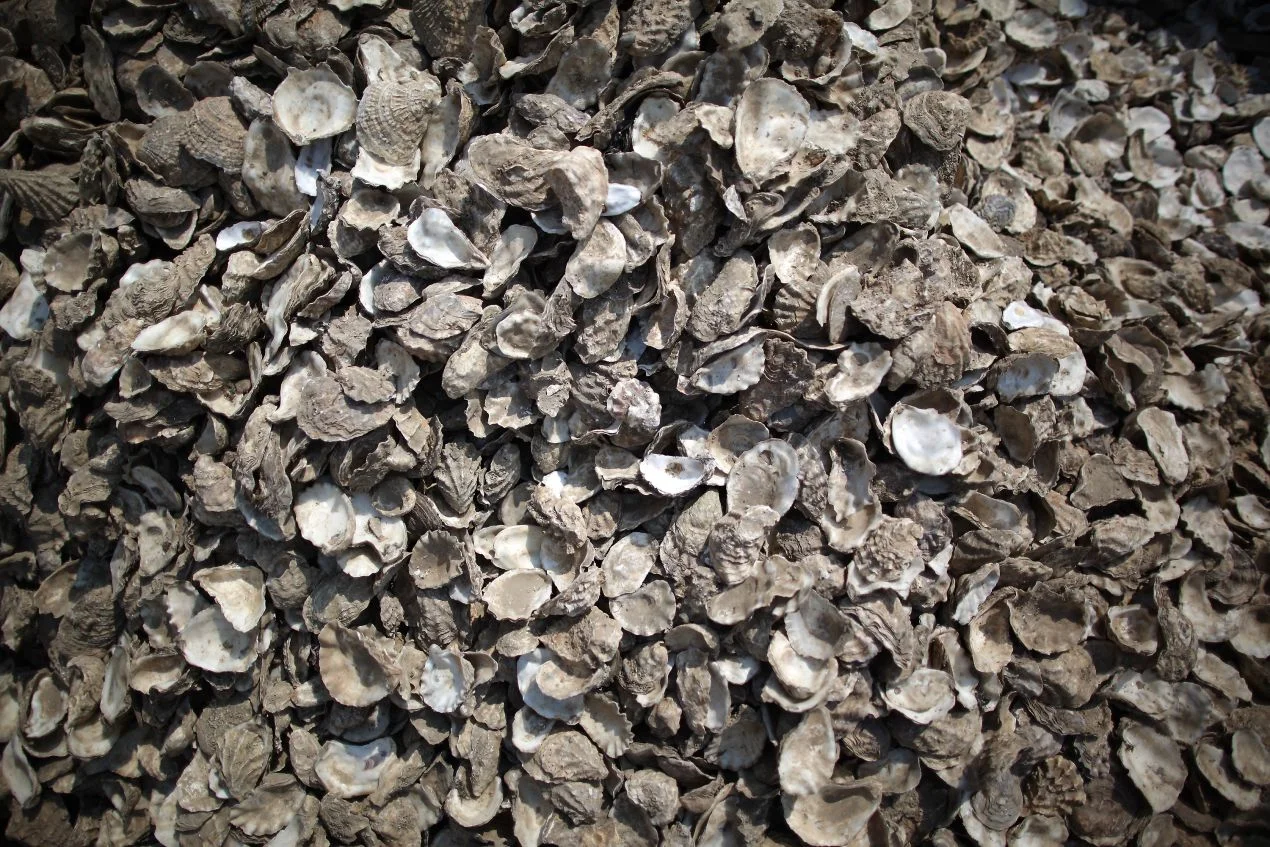
The plan of action is to collect oyster shells from the city’s restaurants and use them to create reefs for oyster spat – fertilized eggs – to fix one to. Without anything to attach to, the microscopic spat simply fall into the mud and organic material and perish.
The one thing oyster spat love most to attach to is old oyster shells, which New York City restaurants have in abundance. The project runs a service to collect oyster shells from restaurants around the city that are used to help form habitats.
Chef Kerry Heffernan, who opened Eleven Madison Park as executive chef, is a keen supporter of the project. He is now Executive Chef at Grand Banks, a popular oyster bar aboard a fine wooden-hulled oyster schooner, Sherman Zwicker, moored on the east side of Manhattan.
Heffernan grows oysters off the end of his dock at home in Sag Harbor. For him, like many chefs, sustainability and ecological revitalization have become part of a professional passion and personal responsibility. While the New York Harbor oysters are unlikely to be edible in the near future – at least until the city stops releasing untreated effluent into the harbor – the goal currently is habitat rehabilitation and conservation.
“If you’re farming them, every oyster you eat is great for the environment,” says Heffernan. Kelp, too, is great – [it] metabolizes life out of minerals and sunlight. So marine-based plant life is the next big thing for us, incorporating kelp and seaweeds into the American diet.”
Restoring the beds gives other species, from blue crabs to shrimp and anemones, a chance to come back too. Without oysters, New York Harbor’s ecosystem lacks a crucial element. One way to create beds is to use pieces of porcelain that have been recycled from nearly 5,000 toilets from New York City’s public schools.
“If you restore the oyster habitats, that supports all the other animals native to New York Harbor,” says Malinowski. “It’s slowly getting better, and it’s certainly way better than it was 30 years ago and better even than ten years ago.”
New York was not alone in allowing its oyster beds to die out, and it’s not alone in attempting a large scale restoration. Chesapeake Bay in Maryland was once one of the richest producers in the country, until it was allowed to fall into ruin as a result of overfishing and pollution. There are similar projects in several states that border the Gulf of Mexico.
But unlike Chesapeake Bay or Gulf coast restorations, the New York project has no commercial value. But it does have value to the ecosystem.
From Malinkowski’s perspective, the goal to restore the harbor’s ecosystem to the point where it sustains wild oysters fit for consumption is not in itself desirable.
“I don’t think people should eat wild animals,” he offers. “That part of the equation, our relationship to nature, is over. But they have a more important job to do – and that’s filtrating water, providing habitat for other animals and building the ecosystem.”
But the climb back is steep. Chesapeake’s native oyster population is estimated at 1% of historic levels; New York’s is barely a fraction of what Henry Hudson would have seen in 1609 when, entering New York Harbor, he had to navigate a half moon around the reefs.
The relentless exploitation of the oysters meant that by 1906, New Yorkers had eaten every last one. The reefs were dredged up or covered in silt, and the water quality was too poor to support any kind of life. The last commercial bed closed in 1918. Ironically, it was the construction of a new aqueduct, bringing a copious supply of freshwater from the Catskills, that doomed the oyster.
“The aqueduct bringing freshwater from the Catskills brought as much freshwater as it wanted, so they flushed as many toilets as they wanted and all that went into the rivers,” says Malinowski. “So when they got sick from cholera and typhoid they blamed the oysters, not thinking that they were putting raw sewage on their food supply.”
The passage of the Clean Water Act of 1968 began the process of cleaning up the harbor – a process that may now accelerate as successive city administrations recognize the value of the city’s waterways both for transportation and as part of a modern city’s responsibility to the environment.
In New York’s case, the urgency is underscored by climate change. As Hurricane Sandy in 2012 illustrated, the city is vulnerable, and particularly in low-lying reaches in Brooklyn and Queens. Various projects are being pursued, including islands and tidal barrages.
Staten Island, once rich with oyster habitats and hit hard by Sandy’s storm surge, is to receive a $60m federal grant to construct a 13,000-foot-long oyster reef. This so-called “living breakwater” is designed to integrate live oysters into its surface. Not only will the oysters filtrate the water, but as the breakwaters grow larger, they will provide greater storm protection.
But can oysters begin to help redress the natural balance? The bivalves can clear dirty water and bring back other species; they can also help to engage young people in marine science, as Malinowski hopes to do.
Even as oysters are found non-edible, new uses for them crop up. Such is the potential that the concept of oyster-tecture – the use of oysters as an architectural resource – was developed by landscape architect Kate Orff and presented in a 2010 exhibition at the Museum of Modern Art.
But while oysters help filter water, they do not themselves consume nitrates produced by human effluent or intensive agriculture. They do, however, help consume algae that flourish as a result of over-nitrification in the water column.
Founder Alex Pincus, a keen supporter of the oyster project, speeds the company speedboat to one of the beds in lower Brooklyn. Pincus notes oyster aquaculture is a rapidly evolving business, with the numbers of US growers multiplying and techniques for production becoming more sophisticated.
Further afield, out in Jamaica Bay by John F Kennedy airport, the Billion Oyster team have added nearly 50,000 adult oysters, making it the largest single installation for breeding oysters in the city.
But before the project’s efforts can hope to produce self-sustaining oyster beds, the city will have to do more to clean up its harbor. Oysters may not object to effluent, but it’s an unnerving aspect of New York life that so much of the city’s waste is still dumped into the harbor. (The Clean Water Act only banned such discharge “where possible”.)
Thankfully, it hasn’t rained much recently – the Northeast US has been in drought since June – and while the greenish water doesn’t look too inviting, it is at least still warm.
“When we put the nursery in, the Navy Yard had just found there were no complex organisms living in the space. No crabs, no shrimp, no fish: nothing,” says Malinowski.
“We put in the nursery in 2013 and within a matter of months it had been colonized by all these different animals. Now we get anemones, crabs, anthropods, fish, worms, spongers. And the oysters are growing like crazy.”


tags: The Guardian
categories: Press
Thursday 11.17.16
Posted by Alexander Pincus
 

Seaworthy Sails Smoothly into Town: A New Restaurant in New Orleans

Via The Times Picayune, written by Todd A. Price

Seaworthy is a collaboration between the New Orleans' Ace Hotel and Grand Banks oyster bar, a floating restaurant in New York's Hudson River. Two of Grand Banks owners, Alex and Miles Pincus, were born and raised in New Orleans. At Seaworthy, they tapped Kerry Heffernan, the celebrated chef at Grand Banks, as the executive chef and the well-established New Orleans chef Dan Causgrove, who most recently led the Grill Room at the Windsor Court Hotel, as the chef de cuisine. In this periodic series, we take a look at new restaurants in the New Orleans area:
Seaworthy bills itself as an "oyster bar," an institution we know well in New Orleans. But Seaworthy is something different.
Instead of teams of shuckers methodically tearing through mounds of oysters, the seafood here is laid out on ice like the wares at Mignon Faget. The restaurant's menu features truffle topped brandade, a thick, warm and fabulously old-fashion mix of mashed potatoes and sturgeon that only amplified my longing for colder weather. But at Seaworhty, you'll eat neither a po-boy nor even a fried shrimp. If this is an oyster bar, we need to adjust our local definition.
Seaworthy, like a growing number of local restaurants, also complicates the definition of an oyster.
In New Orleans, "Gulf" used to be the only modifier we added to our oysters, other than a dab of cocktail sauce whipped up at the table. At Seaworthy, the Gulf oyster, like their counterparts from the East and West coasts, are subdivided by poetic brand names, like Murder Point or Massacre Island. These are cultivated oysters, raised above the ocean floor.
Eating Gulf oyster has always been a collective experience. As we devoured bivalves by the dozen, we would debate the current level of our regional oysters' deliciousness.
Cultivated oysters, however, are more intense, complex and consistent. A Murder Point, like a Canadian Malpeque or the West Coast's Kumamoto, will taste about the same with each encounter. The cultivated oysters create connoisseurs and command higher prices ($3 a piece at Seaworthy).
Seaworthy wants us to pay close attention to seafood.
The successful dishes, and on two early visits nearly everything I tasted would count as such, let the fresh sweetness of the seafood shine by adding subtle yet complex counterpoints.
Whole shrimp, which might look like the basic boiled and chilled variety, are cured and then poached. On the side for dipping is a "leche de pantera" sauce, a thick, emulsification made with drippings from the ceviche. The lobster roll is served on a toasted bun. Two parapets of crisp cucumber coins protect the sweet meat, which is mixed with an aioli spike with dulse, a type of kelp that adds savoriness. Lump crab meat, piled on toast, gets a whisper of heat from "Creole" aioli and, with eat bite, a wash of wetness from the ripe cherry tomatoes on top.
Seaworthy delights with details.
The few underwhelming dishes lacked that studied restraint and felt too familiar. The scallops in a shrimp butter sauce, for example, were fine, but the kind of entree you might find elsewhere. Dinner at Seaworthy works best when you steer clear of courses. Instead, order enough shared plates of seafood to turn your table into an improvised plateau de fruits de mer.
As tight as a captain's cabin, Seaworthy's downstairs bar merits a visit just to sip its low-alcohol sippers. The main dining rooms are upstairs at the end of a twisting staircase. A careful makeover accented the building's age and history. Befitting its New York parentage, Seaworthy embraces the romance of the open sea. The rooms could be sets for a screen adaptation of a Melville novel.
Only five weeks into its voyage, Seaworthy already runs like a restaurant with a seasoned crew. Here's hoping its passage in New Orleans will be long.
tags: The Times Picayune
categories: Press
Saturday 09.03.16
Posted by Alexander Pincus
 

Floating Oyster Bar Tests Owners’ Mettle

Via The Wall Street Journal, written by Sophia Hollander:

Brothers behind Grand Banks navigate the perils of running a restaurant docked in Hudson River Park.
Tides riled the opening week of Grand Banks, an oyster bar docked in Hudson River Park. As the current ripped at the moorings three summers ago, the owners remembered flinging themselves on the ropes to stabilize the historic boat.
And then a customer called out. “I’ve been waiting an hour for my table,” she said. “What’s going on?”
It was an early lesson in running a New York City restaurant for the two brothers, Alexander and Miles Pincus, behind Grand Banks. But it was far from the only learning curve.
In addition to hosting a restaurant, the boat operates as a nonprofit, also run by the Pincus brothers, dedicated to maritime education and restoring historic vessels. It is all crammed into a 142-foot schooner built more than 70 years ago that degrades daily, requiring about $200,000 of annual maintenance, according to the brothers.
“Most people don’t have the problem that their restaurant changes height,” said Alexander Pincus, 40 years old. “We have to do all the boat stuff right so it has no interference with any of the other things that need to go right.”
Some customers still ask if they can stop the boat from bobbing in the water “like we’re at Disney World,” said his brother Miles, 37. “It’s not a ride, it’s an experience.”
This summer, the brothers got another reminder of the perils of operating a floating restaurant when plans to open a second boat in Brooklyn Bridge Park fell through.
“We spent months renovating a beautiful historic ship, designing and building a restaurant on board, creating a new menu, hiring and training staff,” Alexander said. The park has been supportive of their work, he said, but the marina has yet to be completed.
Brooklyn Bridge Park and One15 Brooklyn Marina, the company contracted to manage and build the dock, declined to comment.
The brothers grew up in New Orleans, where their father ran a hotel and oyster bar. They started sailing as children, and Miles refurbished and sold boats as a teenager.
After they moved to New York, Alexander read about the area’s oyster history. He was captivated by the oyster barges, like floating saloons, around lower Manhattan, giving it the name Oyster Row.
“I got fixated on this idea,” he said. “How beautiful it was and how wild it was and how everybody ate on boats.”
As they began to search for a site, Hudson River Park told the brothers there wasn’t space for an oyster barge, but there was an open berth for a historic ship. They went out and got one.
“They were fast,” said Madelyn Wils, president and chief executive of Hudson River Park.
The boat, the Sherman Zwicker, was built in Nova Scotia in 1942 to fish in the waters known as the Grand Banks. For decades it had been run and maintained by volunteers.
“We realized that our volunteer crew had an average age of about 70, and the vessel was not getting any younger,” said Bob Ryan, executive director of Grand Banks Schooner Museum Trust in Boothbay Harbor, Maine. “This couldn’t go on forever.”
Mr. Ryan’s group donated the boat to the nonprofit created by the Pincus brothers, called the Maritime Foundation, which hosts educational lectures and tours. In the small hold, they stage exhibitions featuring maritime history. Since the boat is an extension of the park in season, the public can sit in the restaurant without ordering anything.
This year, they expanded their partnership with the Billion Oyster Project, which is seeking to repopulate New York’s waterways. Grand Banks donates used oyster shells to the organization—which cleans the shells and uses them to grow a new generation of bivalves—and hosts an oyster-monitoring station off the side of the ship.
Kerry Heffernan, a former Eleven Madison Park chef who has also done work with the Environmental Defense Fund, said he was attracted to work on the 70-seat boat-restaurant because of his interest in sustainable seafood. At Grand Banks he took striped bass off the menu and pays fishermen more for less popular breeds like porgy and bluefish.
“Thankfully our guests come aboard, and they’re very willing to listen to what we have to say and what we want to demonstrate,” Mr. Heffernan said. “They’re the choir.”
Having that kind of platform was enticing enough to overcome the constraints of preparing food on a boat.
All the cooking is electric, since open flames are prohibited. The brothers rebuilt all the tables after discovering that water condensation on the oyster trays caused them to slide right off.
With their partner Adrien Gallo, the brothers learned to calculate every power use down to a single charging cellphone. Their first year, when someone turned on an unauthorized fan during a hot summer night, the power went out.
That fall, the heaters couldn’t operate the same time as the fryer. When they ran low on simple syrup one Saturday and an employee tried to make more, the extra burner blew the circuits.
“We quickly realized how important it is for everyone to holistically understand how the systems work,” Miles said. If not, he added, “everything melts down.”
tags: The Wall Street Journal
categories: Press
Tuesday 08.23.16
Posted by Alexander Pincus
 

Grand Banks Opens an Oyster Bar at Ace Hotel NOLA

Via Condé Nast Traveler, written by CNT Editors:

It's from the team behind NYC's Grand Banks, our other favorite oyster bar.
As part of the new Ace Hotel NOLA—home to "tattooed artists, young suited entrepreneurs, and bloggers with dogs" alike, according to Traveler contributor Jimmy Im—is an oyster/cocktail bar we would venture to try even in the swampy heat of a New Orleans summer. Ace has partnered with the Grand Banks crew, known for having one of the best bars in NYC (aboard a historic schooner, no less), to open Seaworthy today in a former 1830s townhouse. It's everything we could want in an American oyster bar: bivalves from the East, West, and Gulf coasts; meals prepped with fresh catch from Louisiana fishermen the owners know personally; and late-night hours that mean one glorious thing—midnight oysters.
Seaworthy owners Alex Pincus and his brother Miles—both sailors—write that they "grew up in New Orleans, running around the hotels and restaurants our father operated, learning everything we know about hospitality through osmosis, and everything we know about celebrating through practice. Our partner Adrien [Gallo] fell in love with the city long ago, so much so that he got married here. We're overjoyed to be bringing our own love of oysters, seafood, great cocktails, and impeccable service to the community that raised us."
Even if you're not into oysters (poor you), the menu impresses with buttermilk battered soft shell crab, salt-cured gulf shrimp, and a burger with fontal cheese and roasted country ham that might make us forget all those lovely sea creatures. And what of the desserts? Guava cheesecake and peach tarts... Our hearts just screamed silently.
tags: Condé Nast Traveler
categories: Press
Tuesday 08.02.16
Posted by Alexander Pincus
 

How a Billion Oysters Are Set to Change New York’s Harbor

Via The New York Observer, written by Yissca Schiff :

New Yorkers eat up to half a million oysters in local restaurants every week. However, what most people probably don’t know is that after they’ve shucked and guzzled, those empty oyster shells go on to help the city.
Not only did oysters used to be the native keystone species of New York Harbor, but they also act as water filterers, provide habitat for other marine species and attenuate wave energy. Enter the Billion Oyster Project (BOP), the ever-expanding operation that is spearheading the race to reinstate oysters and reefs to the city’s harbor.
Formally established in 2014, BOP is a non-profit ecosystem restoration and education project that endeavors to restore one billion live oysters to New York Harbor by 2030. By securing would-be discarded oyster shells from top regional restaurants, curing and preparing them for reuse to grow new oysters—up to 20 per saved shell—to build habitat, the aim is to improve the quality of both the Harbor and the city.
“Billion Oyster Project aims to restore a sustainable oyster population and reignite a passion and appreciation for the Harbor by engaging New Yorkers directly in the work of restoring one billion oysters,” BOP director Pete Manilowski, Director of BOP, told the Observer.
To date, the Billion Oyster Project has reclaimed and recycled 250,350 pounds of shell, and restored an astounding 17,000,000 oysters. Oysters are ecosystem engineers, helping to clean up the quality of the water—one adult oyster filters 40-50 gallons of water a day. In other words, if you put a billion of them on the bottom of the Harbor, that’s a heck of a lot of water cleanup. According to Samuel Janis, the BOP School Programs Manager, the state of the Harbor, the city’s main natural resource, is currently “much better than it has been probably in the last 150 years.”
Harbor and marine life have suffered disproportionately over the last century, degraded by pollution. However, since the passing of the Clean Water Act in 1971 prohibited the dumping of raw sewage and refuse into the Harbor there has been an emergence of large-scale restoration. BOP is determined to return the Harbor to the most productive waterbody in the North Atlantic and reclaim its title as the oyster capital of the world. Teaming up with organizations from all over the city over the past couple of years, the project has become a yardstick for the state and condition of New York Harbor.
“Oysters provide a concrete example of where New York has been, where it is now, and what we can do to get our ecosystem back,” said Elisa Caref of the River Project, which has been working for 30 years to expand awareness and conservation of the Hudson River Estuary and New York Harbor, and is also one of BOP’s many partners.
Over 50 of the city’s restaurants are now involved in the Shell Collection Program, donating their oyster shells each week for reuse. The OysterHood, another partner of BOP, organizes oyster-related social dining events for the oyster aficionados and “adventurous foodies of New York,” raising a greater awareness of food sources. “[We’re] building stronger connections between consumers, the habitats that support our food production and the producers themselves,” Kevin Joseph, CEO and co-founder of OysterHood, told the Observer.
“People realize that not only can they have fun and eat fancy food,” Manilowski said. “But they can also help restore the environment while they are doing it.”
Referred to as a “lighthouse project,” BOP has captured the imagination of a wide variety of people from all over New York. Something, says entrepreneur and marketer for the OysterHood Rudi Ehrlich, “that the rest of the country should be looking to.”
The project’s roots rest with the New York Harbor School, a public, maritime Career and Technical Education (CTE) high school on Governors Island. Surrounded by water that’s utilized as its “living classroom,” its students are “the primary workers and planners” said Susannah Black, Communications Coordinator for the New York Harbor Foundation. They perform an active role in BOP—their six CTE programs, which include aquaculture and ocean engineering and robotics, conveniently represent the six fields necessary for large-scale oyster restoration.
Cris Pupello, 17, is approaching his senior year at NYHS and recognizes the significance of the opportunity. “We built these oyster restoration cages with our own hands. We all help each other out to achieve one goal, it all fits together”, he said.
“[They] have a tight grasp on this complex information and the work they are doing,” Manilowski said. “At BOP, there’s a commitment to involving young people in every aspect of the work.”
Now working with 54 different schools the city, BOP is capturing the excitement of students and teachers alike. 320 middle schoolers on June 10 gathered for the annual Symposium, a 50% increase from last year, all presenting their oyster restoration research, and sharing their excitement for the project. Intrinsic to the Billion Oyster Project’s mission of restoration is the ethos of stewardship and the passing on of that care and responsibility for the local environment.
The seasonal floating bar Grand Banks, which serves up oysters aboard an historic wooden schooner, is one of the many restaurants partnering with BOP.
“We want to be able to eat the fish that swim beneath our boat and to once again pluck oysters out of the Hudson and eat them on the spot,” Alexander Pincus, co-founder and CEO of Grand Banks told the Observer. BOP’s work and intention marks a watershed in the history of the city’s environmental efforts, galvanizing students, scientists and foodies alike for a common cause. “Restoring the oyster life, and in turn the overall health, of New York Harbor, benefits everyone in New York,” Pincus said.
Last week, BOP announced they are kicking off a new Community Reefs program, with several new reef sites around the city already getting underway this summer, to join the pilot reef off Governors Island. This intiative will not only accelerate the process of restoring one billion oysters to New York Harbor, but it will also enable more of the public to be involved. The aim is to bring people down to the shoreline and get them involved in the hands-on work of restoration and reef monitoring.
For Black, the future of BOP is in education. “If all we did was restore the oysters, got them all back into the harbor, but without building a culture of stewardship and without building the skills of maritime life and marine science understandings in the next generation of New Yorkers, that wouldn’t be a success,” she said. “So it’s really building the next generation that we’re interested in, as much as building the reefs.”
tags: The New York Observer
categories: The New York Observer
Thursday 07.28.16
Posted by Alexander Pincus
 

The Floating Oyster Bar Where Chanel Iman, Taylor Schilling, and Aziz Ansari Toast the Summer

Via Vogue:

Grand Banks, set in the 1942-built wooden schooner Sherman Zwicker, spends the warmer months docked at Manhattan’s Pier 25—perhaps the city’s breeziest spot for sustainably harvested oysters and ruby-red Muri-Gries rosé from the north of Italy. Luminaries like Chanel Iman, Marisa Tomei, Taylor Schilling, Erin Heatherton, and Aziz Ansari—as well as the Wall Streeters and Condé Nast editors who populate nearby office towers—climb aboard for chef Kerry Heffernan’s lobster rolls and fried Montauk blowfish tails, a tribute to the boat’s past as a fishing vessel that prowled up and down the Atlantic. Meanwhile, Lauren Schell’s nautical cocktails, like the Campari-spiked Italian Ambassador to Mars, give this stretch of the Hudson River an air of the Mediterranean as the sun sets over the Garden State.
tags: Vogue
categories: Press
Tuesday 06.21.16
Posted by Alexander Pincus
 

The Amazing Architecture That Captivated Us in 2015

Via: Wired

National Sawdust | Williamsburg, Brooklyn | Bureau V: From outside, this music hall for emerging New York artists looks like a typical red brick warehouse conversion in Williamsburg (although the wacky and colorful mural by Assume Vivid Astro Focus is a hint that this is not a normal space). Inside, the building’s shattered, crystalline geometries, shiny surfaces, and white glowing auditorium are a mesmerizing shock---in a good way.


tags: Wired
categories: Press
Thursday 04.07.16
Posted by Alexander Pincus
 
Newer / Older