• Profile
  • Press
  • Contact

Alexander Pincus

  • Profile
  • Press
  • Contact

A Negroni Summer

Via The New York Times, written by Alex Williams:

At the recent opening party for Grand Banks, a meticulously on-trend oyster bar on an old fishing schooner anchored at Pier 25 in Manhattan, all the colors of summer were on Technicolor display: the gold of the sunset, the steel-blue of the Hudson River and the red of the cocktails.
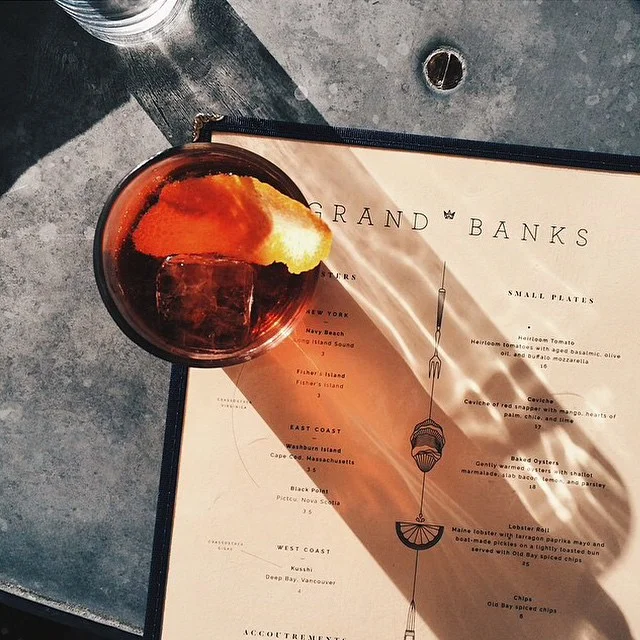
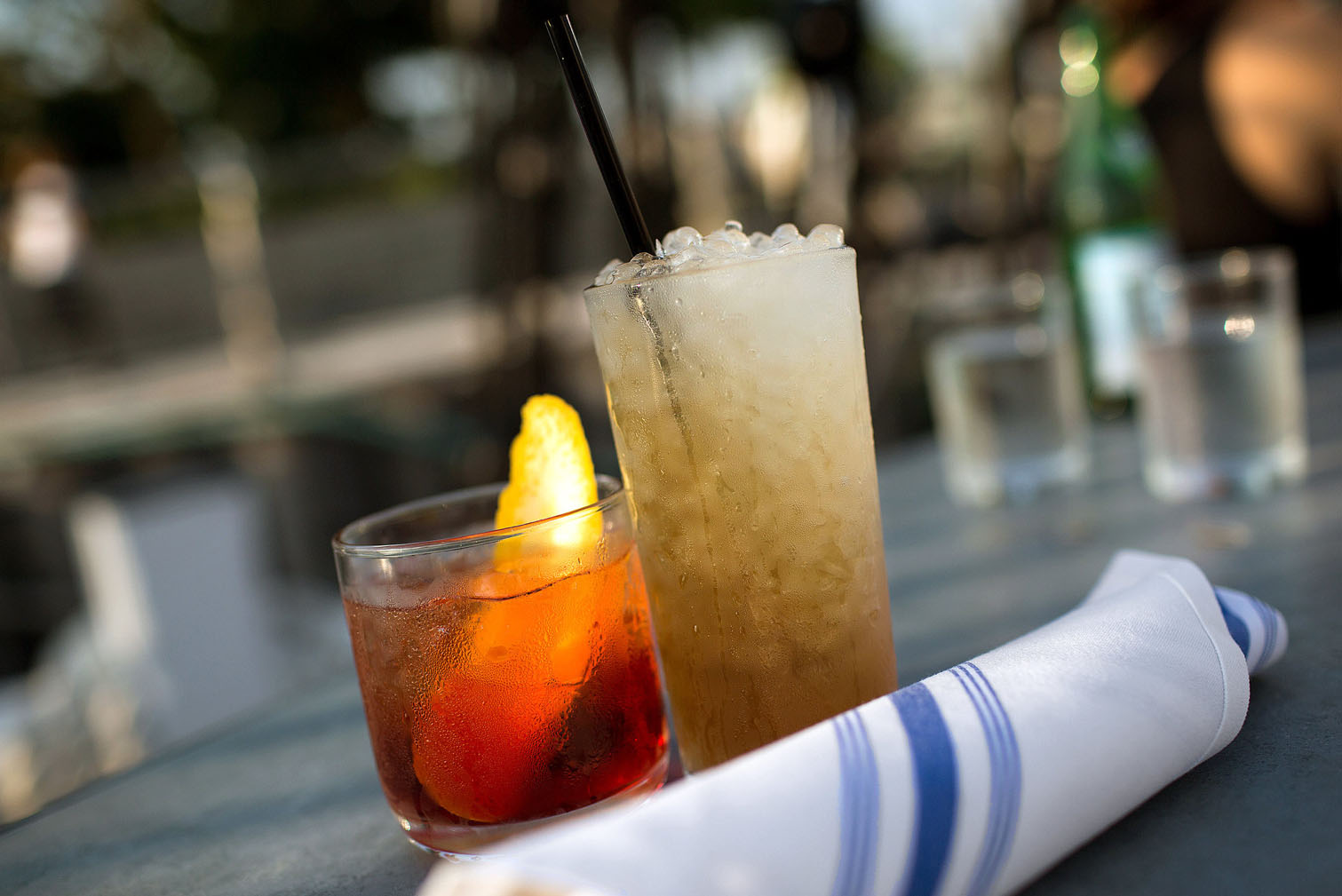
Yes, red. In every direction, partygoers fashionably clad in the season’s Vans slip-ons and Persol sunglasses could be seen sipping a fiery crimson Negroni, a bitters-based aperitif that is not only a signature cocktail of the restaurant, but also, it seems, of this summer itself.
“It’s like a pink polo shirt,” said Alex Pincus, an owner, who prowled the schooner’s decks that night, Negroni in hand. He explained further, “it’s sort of manly and colorful at the same time.”
Such enthusiasm for the Negroni is evident at craft cocktail bars, beach clubs and rooftop bars alike, where stylish tipplers have embraced this venerable Italian concoction as a latter-day Cosmo for the artisanal set.
The Negroni may look to the uninitiated like the stuff of Cancún spring-break frolics, with its Hawaiian Punch hue and festive shard of orange peel. But in classic form, it is a serious libation: a blend of Campari, gin and sweet vermouth with complex personality and unapologetic bitter finish that challenges you to love it.
The Negroni has also become a fashion statement of sorts for connoisseurs — a pledge of allegiance to la dolce vita, and a secret signal to fellow cognoscenti that you do not stoop to sozzle yourself in the fashion of the daiquiri-sipping masses.
Its nuance, in fact, is the basis of its charm, devotees say.
“The Negroni has this wonderful limpidity that few other cocktails contain: it’s cool without being too cold, and the mouth feel has this wonderful silk quality,” said Aaron Von Rock, the wine director at Lincoln Ristorante at Lincoln Center, which did its part to kick-start the current Negroni infatuation with a create-your-own Negroni bar featuring dozens of alternatives to the drink’s Holy Trinity of ingredients (a “training wheels” version for neophytes, for instance, features apple bitters, Lillet and blood-orange vodka).
The resurgence of the Negroni, a favorite of noted thinkers (and drinkers) like Kingsley Amis and Orson Welles, has been brewing for at least five years, said Jonathan Miles, the novelist and the former cocktail columnist for The New York Times.
Lately, it has reached the point that seemingly every self-respecting foodie haunt is expected to offer a signature Negroni (Parm, in SoHo, serves a beet version), if not a menu of them (see I Sodi in the West Village).
Pinterest boards are brimming with recipes of the ever-photogenic cocktail in seemingly infinite variations — the blood-orange Negroni; the amber Negroni, with amaro; the pomegranate Negroni; not to mention its first cousins the Boulevardier (mixed with bourbon) or the Americano (club soda). (Then there’s the popular Negroni Sbagliato at Grand Banks, which substitutes prosecco for gin.)
Will mass acceptance poison the esoteric air that helped propel the Negroni to prominence? During Negroni Week in June, a lounge in Los Angeles, the Varnish, whipped up Negroni Jell-O shots.
Cheeky, sure. But also, perhaps, a perilous step toward the Appletini.
tags: The New York Times
categories: Press, Archive
Thursday 08.21.14
Posted by Alexander Pincus
 

They’re on a Boat! Floating Restaurants Try to Redefine the Dinner Cruise

Via The New York Times, written by Liz Robbins:

As the early-evening sun blazed, the old Navy boat gently pushed into the East River and the 32 passengers were mindfully served cocktails, wine in tumblers and beer in cans. Life aboard the Revolution eased to two knots.
“In New York, we’re so fast-paced,” said Erik Gerlach, 37, a Brooklyn architect relaxing with his wife, Josa, in the cabin of the floating restaurant, the Water Table. “This is a way to slow down. When you’re in the moment, you want to make it last longer.”
In New York this summer, the artisanal meets the nautical, as a group of floating restaurants have claimed what had been uncharted territory in New York’s culinary world.
The ventures vary from a modest New England tavern to a French-Caribbean oyster bar to a three-deck lobster shack. But their challenges have been similar: They all had to navigate bureaucracy, bad weather and boat plumbing in an effort to redefine the dinner cruise.
The newest of the boat-restaurants does not actually leave the dock: Grand Banks, an oyster bar on the Sherman Zwicker, a 142-foot schooner tied up at the end of Pier 25 in the shadow of One World Trade Center in TriBeCa, will stay through October before it sails south.
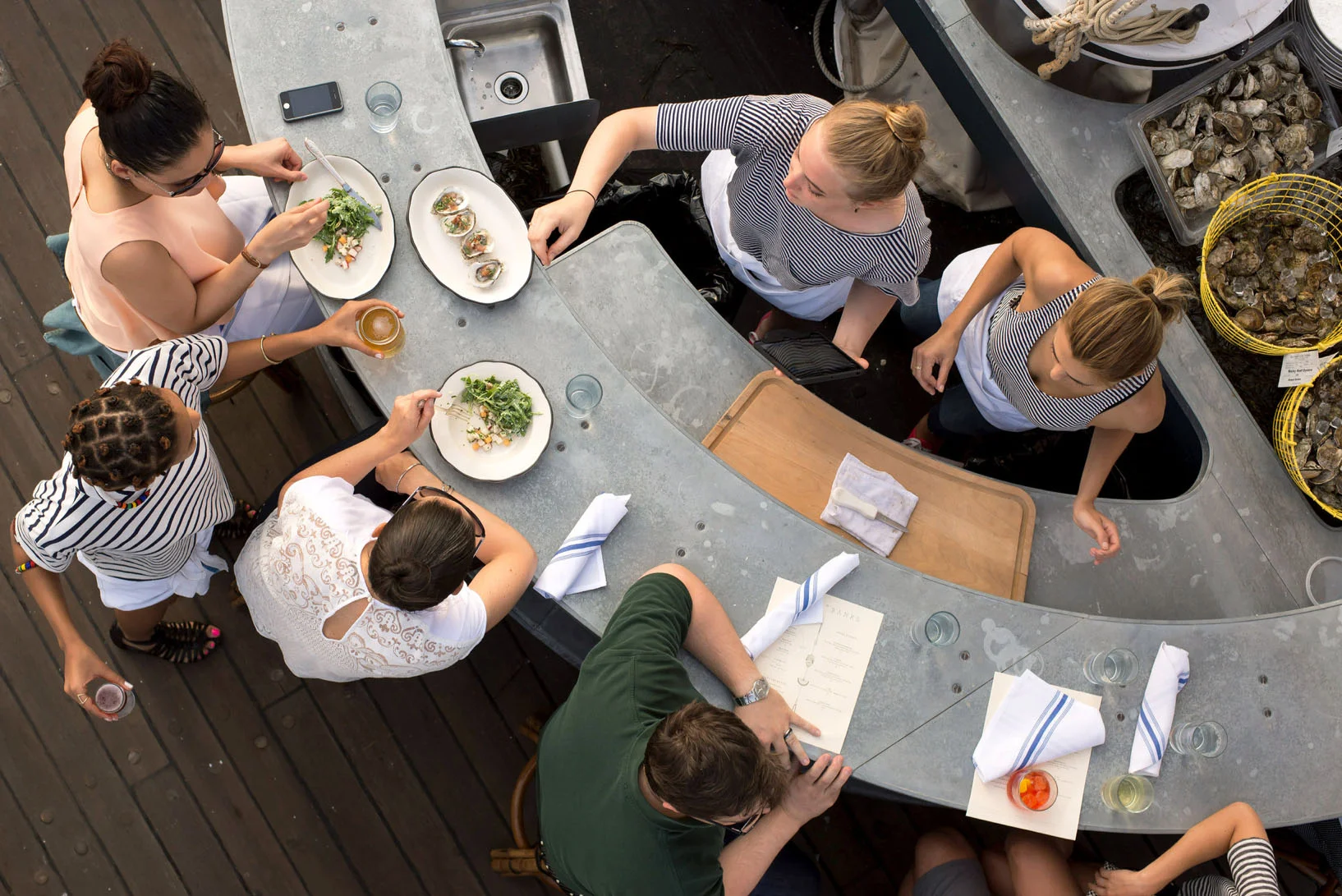
With a capacity of 160 people, Grand Banks is envisioned as the Balthazar of boats, said Alex Pincus, who founded the Atlantic Yachting School on the Upper West Side with his brother, Miles, before selling it and founding Grand Banks with two other partners. Witness the $16 cocktails, the French bistro bar stools, the zinc and mahogany bars and the windswept patrons on a recent weekday afternoon, including the actress Marisa Tomei, ignoring the pitching waves.
The fashionable scene belied the travails below deck. “The challenge was not the idea,” Mr. Pincus said. “The challenge was making it happen.”
First, they had to find the right ship. When they found the Sherman Zwicker in Boothbay Harbor, Maine, the Pincus brothers established their own maritime education foundation to persuade the owner to donate the boat. As a museum, it cannot take passengers cruising, however, and that necessitated the right dock for seasonal mooring.
Because city construction foiled plans for a spot at East River State Park in Williamsburg, the group negotiated with Hudson River Park. The opening was originally scheduled for July 3, but storms delayed it until July 4. On the boat’s second day of operation, it ran out of oysters, and Mr. Pincus furiously called in favors for a rush weekend shipment.
Then, a couple of days later a pipe burst on the 72-year-old boat and there was no running water.
Still, the demand for $3.50 oysters and $17 fluke crudo remained strong.
“This is basically the grown-up version of the Frying Pan,” said Golnar Nassiri, 34, out with her husband on a recent evening. Ms. Nassiri, like others that night, could not help making comparisons to the Frying Pan, the lightship boat permanently docked at Pier 66, infused with a fraternity party vibe.
“I feel like I’m in the Hamptons or something,” said Matthew Glass, 53, drinking wine with his friend Ken Clark, 56, after their rides in spandex biking shorts — a bit underdressed, they acknowledged.
They might have felt more at home aboard the North River Lobster Company’s vessel, a former gambling boat called the Destiny, which is run by New York Cruise Lines, the parent company that also owns the Circle Line.
The idea is to take the usual dockside lobster shack — complete with lobster rolls ($16), peel-and-eat shrimp ($10) and one-and-one-quarter-pound Maine lobsters ($29) served on paper plates — and include free cruises. Mason jar cocktails run $12, and a bucket of beer is $24.
“When we started this thing, we didn’t know what we were going to get,” said Jason Hackett, the chief marketing officer for New York Cruise Lines, who said that because of the harsh winter, the crew had only two months to prepare for the late-April opening. “We were targeting New Yorkers, and thank goodness that’s what we got. People are really digging just being on the water.”
Jamie deRoy, 68, a producer, and her friend Sandra McFarland, 52, working in insurance, took a late lobster lunch. “I got some coupons in the mail and I thought it would be fun to try it,” Ms. McFarland said.
They had an array of raw bar selections, corn on the cob and the Maine attraction.
Like the other patrons, they had ordered their food and drinks on the enclosed second deck (air-conditioned) and taken a wooden buoy with a number. They sat on the top deck with picnic tables and white and red trash cans, as Top 40 radio crackled and Columbia Business School students celebrated the end of exams.
With three long blasts of the horn, the ship backed out of Pier 81 for one of its 35-minute jaunts up the Hudson, turning around at 72nd Street, almost over before it had really begun.
“That’s O.K.,” Ms. deRoy said, her long silver hair flowing in the wind. “It’s the gimmick.”
Of the three, the Water Table has been operating the longest. It opened in December and ran until ice clogged the East River and a ferry walkway collapsed in February at Greenpoint’s India Street Pier, where it had been docking. The boat resumed East River service in April from a seaplane dock at the Skyport on East 23rd Street. Kelli Farwell and Sue Walsh have spent their first year of marriage starting the business, dogged in their dream that began in 2011 on an East River ferry ride.
It was then that Ms. Farwell, a former wine director at Brooklyn’s DuMont, Dressler and Rye, who trained at Gramercy Tavern and Craft, decided to get her captain’s license. That led to the dinner boat idea.
“It would be very simple — just good ingredients, New England tavern food, on the water,” Ms. Farwell added.
In late 2012, the couple launched an Internet campaign, raising $26,956. After the purchase of a tugboat in Michigan fell through, the couple found a 62-foot Navy yard patrol craft, the Revolution, working as a tour boat in Boston in 2013. The ride back through Buzzard’s Bay in May was so rough, Ms. Walsh recalled, she thought they might not make it back for their June wedding.
Today she serves as first mate, filling in as server and deckhand, and designing the website and the menus, in addition to her full-time job as a graphic designer. A photo of Ms. Walsh’s grandfather, a former Navy lieutenant, hangs on the wall, with other vintage artifacts, maps and photos.
Ms. Farwell, 42, learned how to do many of the repairs herself, with help from YouTube. “You’re making changes to the wine list, and then you have to rewire a pump, and then you’re making the salad dressing,” she said.
Because of the 80 hours a week that her wife spends on the boat, Ms. Walsh, 35, has a cocktail named after her: “Captain’s Widow.”
The boat offers two-and-a-half-hour dinner cruises Thursday through Saturday, offering three courses for $75; a two-hour Sunday supper ($50) is just two courses: lobster mac and cheese or panzanella salad, followed by a root beer float.
On a recent Sunday night, a group of friends had booked passage to celebrate Lara Naaman’s 40th birthday. As the boat motored under the Roosevelt Island Bridge, the revelers made their way to the top deck to snap photos of the city skyline, as Stevie Nicks, George Michael and Bruce Springsteen played over the sound system. The Revolution went as far up as the northern tip of Roosevelt Island, until dinner was served, and then it turned back south.
As the boat pulled close to the dock, the Journey song “Don’t Stop Believing” came on. Passengers cheered wildly and honked their birthday horns.
Ms. Walsh smiled and looked for the captain.
“That’s our theme song,” she said.
tags: The New York Times
categories: Press, Archive
Friday 07.18.14
Posted by Alexander Pincus
 

No Place Like Home: Three New York City Waterfront Hotspots This Summer

Via The New York Times, written by Alex Williams:

Summer in the city used to mean open fire hydrants, barbecues on fire escapes and those dreaded street fairs. Lounging by the water? You were lucky if you made it to the freak show called Coney Island once.
But now, thanks to the revitalization of the city’s waterfront, it’s possible to spend a summer by the water without leaving New York. There are locavores at the Smorgasburg tents at Brooklyn Bridge Park’s Pier 5, taco-eating surfers at Rockaway Beach, clubgoers on Governors Island and TriBeCa moms pushing fancy strollers along Hudson River Park.
New Yorkers no longer feel compelled to ditch the sweltering city every weekend. Indeed, for some, there is a reverse snobbery to shunning the South Fork and enjoying the traffic-free attractions at home.
And just as Bridgehampton draws a different crowd from East Hampton, the city’s sun-kissed waterfront playlands are developing their own distinct tribal affiliations. Here are snapshots of three waterfront spots and the cosmopolitan creatures drawn to them.
Fort Tilden beach
Fort Tilden beach is remote, graffiti-scarred and a bit industrial; in short, it’s Bushwick by the sea. No wonder that this mile-long stretch of sand on the Rockaway Peninsula, which closed after Hurricane Sandy, has re-emerged this summer with an artsy makeover.
“It’s like a beer garden in Williamsburg transposed to the seashore,” Susannah Kalb, 28, who works in film production, said on a sunny Friday.
It does not take a Brooklyn sense of irony to appreciate the natural wonders of Fort Tilden. Ignore for a moment the nonnative fauna (that is, the two-legged visitors in aviator shades), and the landscape could be borrowed from a Hopper painting. Rolling dunes are blanketed in wildflowers. Battery Harris, a former concrete Army gun emplacement, offers stunning vistas of sun-dappled waves.
Part of the charm is its ruins; hollowed-out military buildings and machine shops from its Army days. Fort Tilden is beautiful in the complicated way that Detroit is. It’s a “Mad Max” aesthetic that feels like home to the average L train denizen.
Thanks to the efforts of the Rockaway Artists Alliance, as well as the much-publicized efforts by Patti Smith and Klaus Biesenbach, the director of MoMA PS1, those ruins are now a canvas for artists. Old barracks house photographs by Ms. Smith, sculptures by Adrián Villar Rojas and a sound installation by Janet Cardiff.
The fact that nude sunbathers have long favored this remote beach also lends it an air of art-world edginess, as if beachgoers are participating in their own Marina Abramovic performances. Last Friday, a burly man in his 30s with a red beard had flipped his bicycle onto its handlebars to perform seaside tire repair in the buff. On a nearby blanket, a topless woman chatted blithely with friends, as blasé as if she had just kicked off her sandals.
While clothing is optional, literature, it appears, is not. At Fort Tilden, Stephen King will not do. Reading options that day included The Paris Review, “Slaughterhouse Five” and “The Grapes of Wrath,” with two young actors thumbing through “The Autobiography of Malcolm X” for their book club.
Musical pursuits are welcome, too, so long as they are obscure and idiosyncratic. One 20-something Brooklynite sat alone on a blanket, plucking on his ukulele while staring out to sea.
To some beachgoers, the scene is a little too familiar. “You come down here and you’d see everyone you’d see on Bedford Avenue,” said Mikael Kennedy, 34, a photographer from Greenpoint.
And that, ultimately, may be its undoing. North Brooklyn creative types hate nothing more than when word gets out about their secret haunts. With Rockaway Beach, about a 30-minute bike ride to the east, already brimming with urban surfers, bohemian day-trippers and young partygoers, it may be a matter of time before Fort Tilden is declared over.
“Four or five years ago, you would come down here and it would only be fishermen — it was awesome, it was pretty much abandoned,” said Mr. Kennedy, who was tanning with friends. Then, “it blew up.”
“On Saturdays and Sundays,” he added ruefully, “you can barely fit on the beach.”
 
Pier 25 in TriBeCa
Aboard the Sherman Zwicker at Pier 25 in TriBeCa. Credit Karsten Moran for The New York Times 
Golf. Sailing. Celebrities. Throw in the conspicuous display of luxury timepieces and you have New York’s closest waterfront equivalent to Sagaponack.
For the young hedge-fund managers and analysts who inhabit the nearby finance dominions of TriBeCa and Battery Park City, Pier 25 — which juts out into the Hudson River near North Moore Street — has become the de facto spot to pregame for the Hamptons during the week, and to bring the South Fork closer to home on the weekends that they can’t make it out to their summer shares.
During the day, scrubbed young professionals with perma-tans and perfect teeth congregate at the pier’s myriad outdoor-sports opportunities like sand volleyball and outdoor dance-cardio. A mini-golf course, opened in 2011, is Manhattan’s only 18-holer. It’s the perfect place to give future traders a taste of Maidstone culture on their ninth birthday. The aspiring preppy class can also hone their yachting chops with the Offshore Sailing School.
Even the pier’s Eurocentric playground has become a place to see-and-be-seen, thanks in part to the celebrity parents. Ed Burns and Christy Turlington, Karolina Kurkova, and Leelee Sobieski have been spotted there. They are joined during the day by the freshly blown-out TriBeCa moms, with their Céline bags and their Valentino Rockstud sandals, who transform the playground into a Concours d'Élégance of high-end strollers, with displays of four-figure models by Bugaboo and Stokke almost de rigueur.
One thing that Pier 25 lacked was Hamptons-worthy night life. That’s no longer the case with this month’s opening of Grand Banks, a seasonal oyster bar aboard the Sherman Zwicker, a historic 142-foot fishing schooner docked at the pier’s tip.
During a soft opening over the Fourth of July weekend, the schooner was packed with young professionals with Panerai wristwatches, pink polo shirts and box-fresh boat shoes, who chased down sustainably harvested oysters and fried squash blossoms with nautical-themed cocktails like the Engine Room (lager, aquavit, ginger, lemon). Also spotted were the fedora-and-tattoo types, perhaps lured by the Brooklyn bona fides of Mark Firth, a former owner of Marlow & Sons and Diner.
The owners insist that they were not looking to create a floating version of the meatpacking district.
Continue reading the main story
“Up until about 1900, the entire downtown waterfront was surrounded by these little oyster barges, some guy selling oysters,” said Miles Pincus, another owner, sipping a negroni during the opening party last Thursday. “It was the everyday, common man’s food. It was not the elevated thing it is now. We thought, ‘Why does that not exist?' ”
Alongside the $3.50 oysters from the Long Island Sound and Huntington Bay, diners can fork over $17 for a small plate of fluke crudo.
Governors Island
“You have to take a ferry to get here, and you can’t leave unless you go by ferry,” said Quinton Kerns, 29, an architect from Harlem who was on his third summer outing to Governors Island last Sunday. “You have to want to get here. You have to earn it.”
Like most visitors to the island that day, Mr. Kerns did not look as if he was straining terribly hard. Wearing black Wayfarers, he stared into a cloudless blue sky from a supine position in one of the island’s 50 new red-rope hammocks, the much-publicized centerpiece of a 30-acre expansion this summer.
The hammock, in fact, is a fitting symbol for what Governors Island has become for many New Yorkers: a shared suburban backyard, a private sanctuary for quiet reflection and unfettered play. Situated only an 800-yard ferry ride from Manhattan (and a seven-minute ferry ride from Pier 6 in Brooklyn Bridge Park), the centuries-old military base — currently midway into its seemingly endless transformation into a 100-plus acre recreation area — offers a striking absence of cars, noise, grime and, seemingly, tourists.
The spirit of mass urban decompression was in evidence in every corner of the island last Sunday.
A 40-something dad in camouflage shorts lounged quietly on a blanket, nibbling on water crackers and Brie, as his two young children clambered on a steampunk-inflected sculpture by Oreen Cohen called “A Sharper Lens,” fashioned from reclaimed materials like tires. A Hasidic family in a six-person pedal surrey wheeled down a nearly deserted bike path toward the immaculate new ball fields, the Statue of Liberty looming on the horizon. Twenty-somethings in floral-print Vans browsed the foodie carts, sampling goat-and-fig jam baguettinis and maple grilled cheese sandwiches in the cool shadow of a red brick former Army building.
But as the sun begin to sink, the legions of solace-seeking New Yorkers began to depart, and an entirely different tribe emerged to make the island its own. A tide of 1,000-plus ravers in their early 20s poured off the ferry and streamed into the Gov’nors Beach Club, an open-air club that has held summer dance parties on the island for the last few years.
As Pan-Pot, a Berlin duo, played techno music from a stage at the far end of an open-walled tent, two leggy blond women in micro-cutoffs and white, eight-inch platform high-top sneakers strode toward the dance floor, where the crowd began to undulate as a single, 500-headed organism.
From time to time, the crowd, many sporting plastic bead necklaces and Day-Glo sunglasses, would part just enough for an enterprising young dancer to step out on his own and bust a few moves.
A young man in black sunglasses gyrated in dreamy circles beneath the giant disco ball, a three-foot inflated giraffe perched on his shoulders. A burly raver in a sweat-drenched tank top then broke free from the stonewashed mass and began stomping around furiously near the stage, as if trying to repel an invasion of ants.
“It’s totally B & T,” one man said, as he boarded the ferry back to Manhattan. “I mean, is anyone there from the city?”
As new columns of flesh-baring techno acolytes filed toward the club entrance, the sternum-rattling beat droned on, its internal dramas and crescendos a mystery to the uninitiated. (“It’s the same song, over and over,” said a fire department paramedic on duty, shaking his head.)
Such opinions would be lost on the assembled. Lulled by the hypnotic tempo, they bobbed on toward midnight.
tags: The New York Times
categories: Press, Archive
Wednesday 07.16.14
Posted by Alexander Pincus
 

Sherman Zwicker Serves Up History—and Oysters

Via The Wall Street Journal, written by Andy Battaglia: 

Floating off the edge of Battery Park City, past the miniature golf course and beach volleyball courts on Pier 25, is a new home for old history of the New York waterfront.
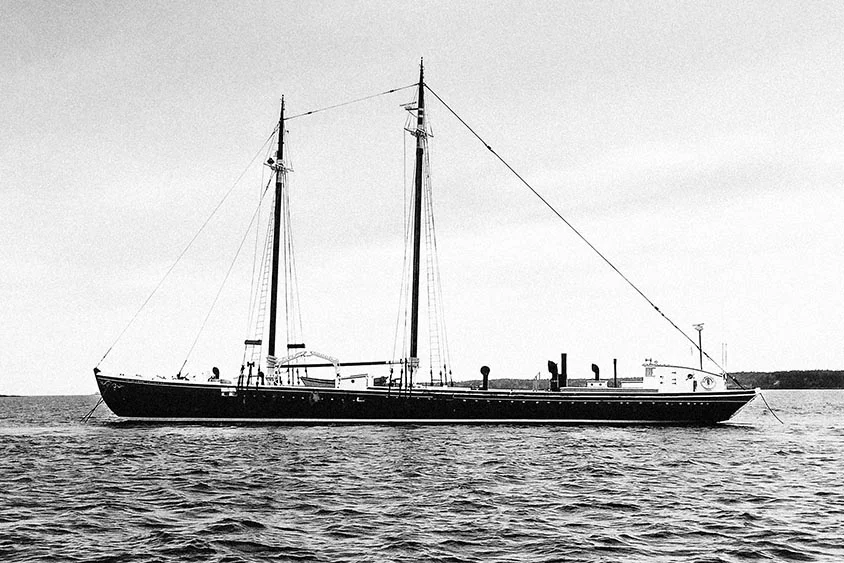
Her name is the Sherman Zwicker, and in her service as a schooner, she has traveled the Eastern Seaboard since 1942. With the boat's looming masts and a hold big enough to store 320,000 pounds of catch, its original purpose was fishing for cod. Now, it is a museum and a restaurant with a mission to fulfill.
"We're working with people putting out interesting responses to maritime history. Not just the state-park model of representing it with a plaque but filtering it through a lens to make that history something you can actually feel, that can have a presence," said Alex Pincus of the Maritime Foundation, the group behind the vessel's move to its new home.
The deck of the ship is now occupied by Grand Banks, an open-air oyster bar and seafood restaurant run by Mark Firth, the founder of Diner and Marlow & Sons restaurants in Williamsburg. Underneath, down a ladder into the hold, is an unconventional museum space where many tons of cod were once assembled. In their place is an exhibition by New Draft Collective, a group devoted to answering the mandates of both history and art.
"The history of the Sherman Zwicker is really rich," said Libby Pratt,one of the collective's two main members, "so when the Maritime Foundation asked us to put together an exhibit, we thought: how?"
They have responded with a mix of archival materials and new creations to evoke the boat's more than seven decades of lore. One bay beneath the deck includes an illuminated display of 150 pounds of salt, to show how cod were preserved. Another features vintage photographs of the boat and its crew. Yet another features a sort of sculpture made from rope.
"Rope hasn't become obsolete," said Michi Jigarjian, New Draft Collective's other founder. "It's one of the only materials that was on the boat that is still viable and not taken over by some sort of technology."
When it was built in Nova Scotia, the Sherman Zwicker—touted as the largest wooden vessel now floating in New York—was a sister ship to the Bluenose, a famously fast schooner memorialized on the back of the Canadian dime. It spent the prime of its life fishing for cod and ferrying the fish for sale to South America, before taking up as a historical museum boat for decades in Maine.
When in need of a new home, the boat was gifted to Mr. Pincus and his brother Miles Pincus, who had collaborated before on the sailing company Atlantic Yachting. They struck a deal with the Hudson River Park to dock it at Pier 25, as a not-for-profit historical attraction supported by a for-profit restaurant on board.
"I don't know what the answer is, but it seemed like an interesting question to approach presenting a historical and cultural narrative through a more experimental, curatorial lens," said Alex Pincus. "I was interested in creating a certain atmosphere that brings forth life on the water."
In addition to the exhibition space and the restaurant, there will be talks and lectures during Sherman Zwicker's residency through the end of October. A pre-opening trial run last week featured Paul Greenberg, author of "American Catch: The Fight for Our Local Seafood." During a dinner devoted to salmon, he talked about risks attending world-wide fisheries while attendees descended below deck to check out the art and history in the hold.
"That was the most spectacular setting I could ever imagine," Mr. Greenberg said.
tags: The Wall Street Journal
categories: Press, Archive
Sunday 07.06.14
Posted by Alexander Pincus
 

Now Docking Downtown: An Oyster Bar on a Boat

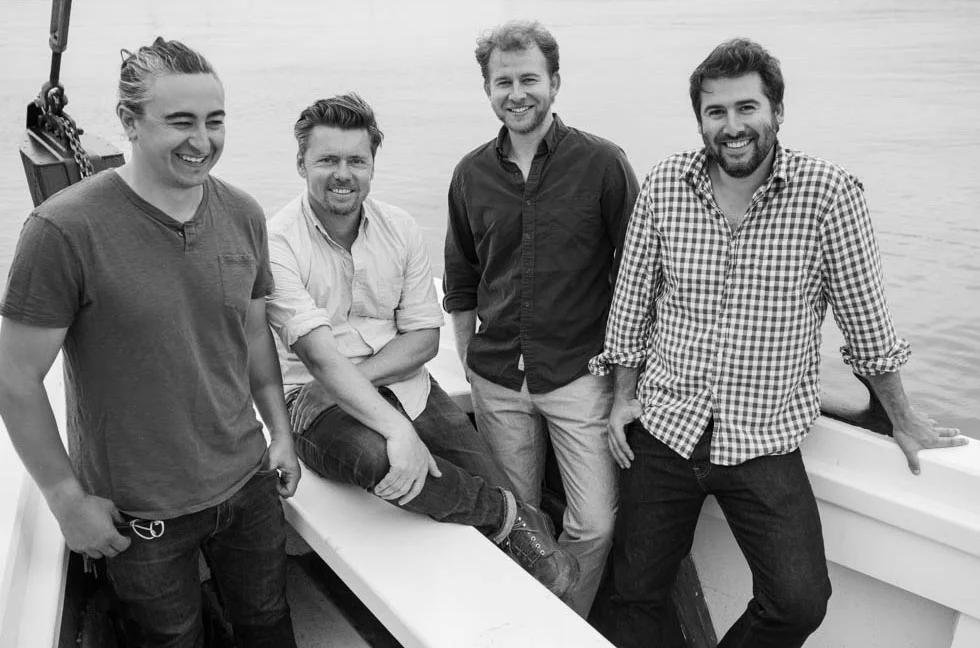
The restaurant's partners, from left: Adrien Gallo, Mark Firth, Miles Pincus and Alex Pincus.

The restaurant's partners, from left: Adrien Gallo, Mark Firth, Miles Pincus and Alex Pincus.

Via The New York Times:

For Alex Pincus, the question wasn’t whether Manhattan needed a floating oyster bar and mini-maritime museum on a 72-year-old codfish schooner, but rather where to put it. Now, his vision has become reality in the form of Grand Banks, which will begin serving food and drinks Thursday afternoon on a boat docked off Hudson River Park in TriBeCa.
Pincus, who grew up sailing on Lake Pontchartrain and founded the Atlantic Yachting school on the Upper West Side with his brother Miles, had been reading about the city’s 19th-century oyster barges a few years ago when the idea occurred to him to build a modern-day version. Piled high with just-dug Crassostrea virginica, says Pincus, the vessels would sell their wares to hungry New Yorkers directly from the docks. “We thought, ‘why don’t we have that here?'” he says of a conversation with Miles that followed. The two gathered their restaurant-industry friends — including Mark Firth, a co-founder of the Brooklyn restaurants Diner and Marlow & Sons and Adrien Gallo, a former owner of downtown bars including Palais Royale and Double Happiness — and “started looking around for the spot.”
That spot turned out to be the park’s Pier 25, where the partners have a yearlong lease to park a 142-foot-long Nova Scotian wooden fishing vessel called the Sherman Zwicker. (Tentative plans are to stay until fall, says Alex Pincus, and then sail down to Florida for the winter.)
The Sherman Zwicker was once the property of the Maine Maritime Museum, where four decades ago a sailor and nautical-history buff named George McEvoy (“the ultimate old soul,” says Pincus) lovingly restored it. As of last week McEvoy’s pride and joy — the last of its kind used to fish among the Grand Banks of Newfoundland and now the largest wooden vessel in New York City — was docked in Red Hook, Brooklyn. There the Pincuses and their partners hustled to outfit the kitchen (formerly bunks where sailors slept) and to prepare marine-education exhibits in the stalls where just-caught cod was once buried in salt for the trip to South America.
Above decks, they also built out two bars, one for drinks (such as daily nautical-themed cocktails and ales from Red Hook’s Other Half Brewing Company), and another topped with zinc for a rotating menu of sustainably sourced oysters. Those, as well as the rest of the Grand Banks menu — lobster rolls, small plates of seasonally and locally available seafood — will be overseen by Firth, who is also the owner of Prairie Whale restaurant in the Berkshires.
It was in those landlocked mountains, where both Firth and Alex Pincus had moved a few years back, that the seed for Grand Banks was first planted. The two men, old friends from the city, crossed paths at the gym and got to discussing how they shared both a love of the urban waterfront and a desire to connect the rest of the city to it. It was that conversation that spurred Pincus to research old New York’s oyster barges. Now, both are splitting their time between the boat and the Berkshires. “It’s kind of ironic that we had to move away,” says Firth, “to figure this out.”
tags: The New York Times
categories: Press, Archive
Monday 06.30.14
Posted by Alexander Pincus
 

Grand Banks

My latest project is Grand Banks, a seasonal oyster bar on deck of the historic F/V Sherman Zwicker. Docked at Hudson River Park’s Pier 25 in Tribeca, the 142 foot sailboat is a museum quality example of traditional boat building and the largest wooden vessel in New York City. 

The project was conceived and developed with Mark Firth, founder of Diner and Marlow & Sons, my brother Miles, who is my partner in the development firm Arts & Leisure, and Adrien Gallo, our director of operations; and designed in collaboration with Eric Cheong head of design for Ace Hotels. 

Operating in conjunction with the not-for-profit Maritime Foundation, Grand Banks presents on-board exhibitions on maritime history and a curated lecture series with notable speakers on topics ranging from seafaring culture to aquatic sustainability.

We will be opening in the next few weeks.

tags: Grand Banks, Maritime Foundation, F/V Sherman Zwicker, Hudson River Park, HRPT, Pier 25, Tribeca, New York City, Arts & Leisure, Mark Firth, Miles Pincus, Adrien Gallo, Eric Cheong, Ace Hotel
categories: Update
Saturday 06.07.14
Posted by Alexander Pincus
 

Factory Conversion Moves Forward

Via The New York Times, written by Michael Cooper:

The effort to turn a century-old sawdust factory in Williamsburg, Brooklyn, into an acoustically sound concert hall, recording studio, nightclub and center for composers is moving ahead, with organizers saying that they have raised the $16 million needed to finish construction. The space on North 6th Street, called the Original Music Workshop, has already drawn respected musicians and celebrities inside its weathered brick walls for concerts, even before it had a roof. Now its founder, Kevin Dolan, said that he had lined up what he called “philanthropic investors” to put up the money needed to finish construction. It is an unusual arrangement. Mr. Dolan said that the investors would become part owners of the building, which they would allow the Original Music Workshop, a nonprofit, to use rent-free. In the future they could then give their shares to the workshop, sell them to the workshop, or sell the building. Mr. Dolan, 62, said this would reduce the risk to people who might be reluctant to put money into a new organization without a long track record. He added that the space could open as soon as the fall of 2015.

tags: The New York Times
categories: Press, Archive
Sunday 05.11.14
Posted by Alexander Pincus
 

Z28

Camaro Z28 | Cannan, NY

tags: Camaro, Black and White, Cannan NY, Z28
categories: Photography
Sunday 03.23.14
Posted by Alexander Pincus
 

Glass Cutting Brick

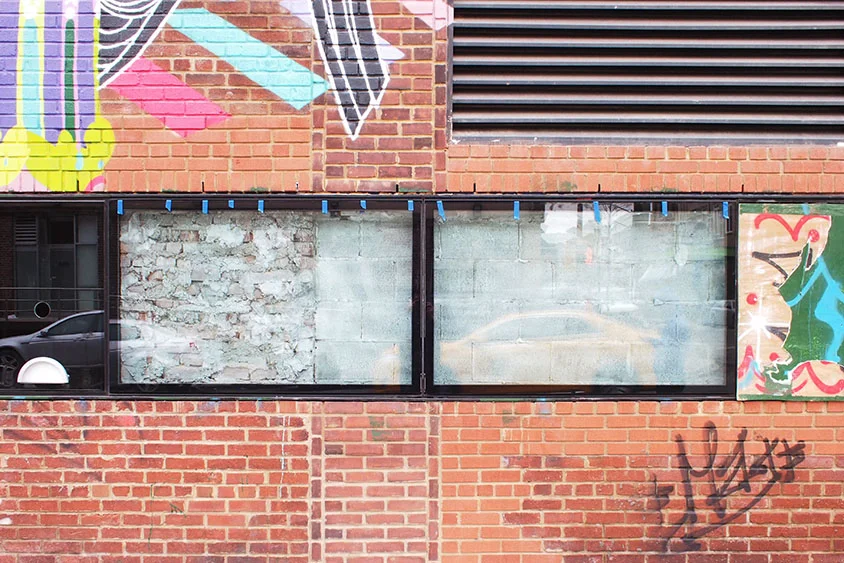
One of my favorite details on the facade of Original Music Workshop is finally coming to life.

tags: Original Music Workshop, Facade, Construction Details, Alcon Builders Group, Bureau V, PINC.US
categories: Construction
Tuesday 03.18.14
Posted by Alexander Pincus
 

Wilding Cran + Elizabeth Taylor AIDS Foundation

Bruce-Weber-Liz-Taylor-Dogs.jpg

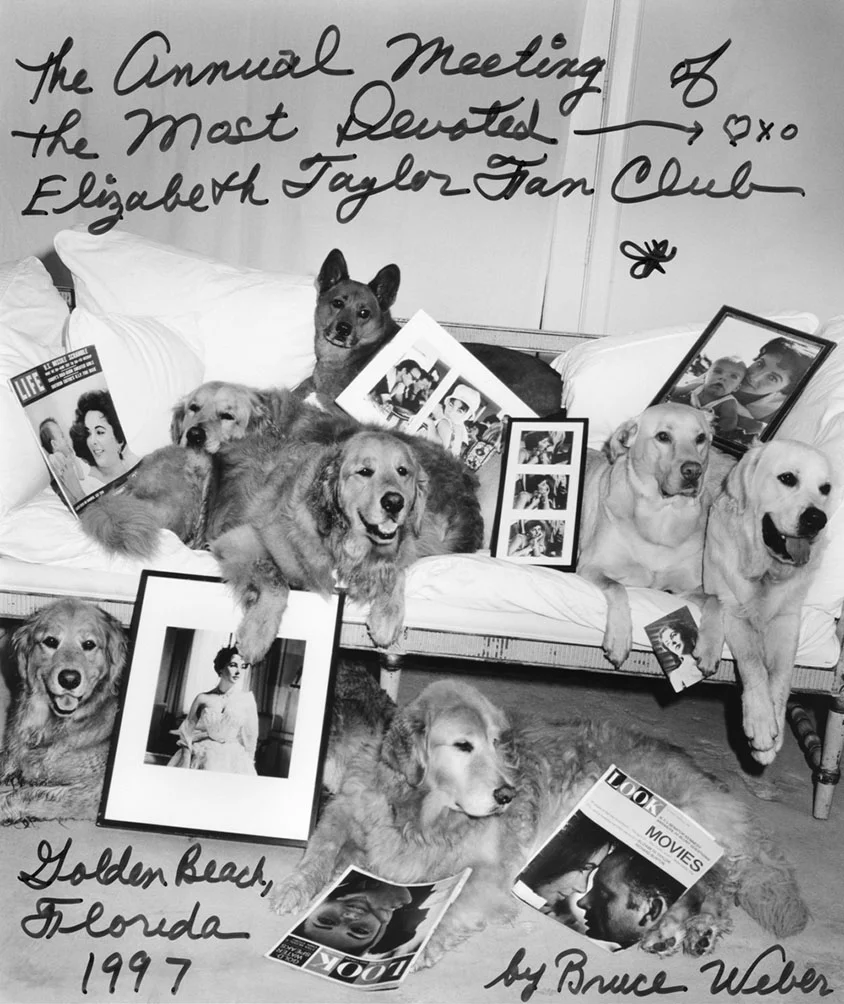
Wilding Cran, the art gallery founded by my brother and sister-in-law, is hosting the Elizabeth Taylor AIDS Foundation Art Auction.

tags: ETAF, Elizabeth Taylor, Elizabeth Taylor AIDS Foundation, Bruce Weber, Wilding Cran, Anthony Cran, Naomi Wilding, Aileen Getty
categories: Friends & Family
Friday 02.21.14
Posted by Alexander Pincus
 

New OMW Photos

omw-full-night-view-pincus.jpg
omw-angle-view-night-pincus.jpg
omw-facade-detail-pincus.jpg
tags: Original Music Workshop, Work In Progress, Alcon Builders Group, Assume Vivid Astro Focus, PINC.US
categories: Construction
Monday 02.10.14
Posted by Alexander Pincus
 

Design Development

rpi-dd.jpg

This semester I'll be co-teaching Design Development at RPI with Lonn Combs.

tags: Rensselaer Polytechnic Institute, Design Development, Lonn Combs, Easton Combs
categories: Academia
Wednesday 01.22.14
Posted by Alexander Pincus
 

Kinesthesia Physio Progress

kinesthesia-physio-construction-detail-pincus-ad.jpg

Construction at Kinesthesia Physio is moving along. Above right you see a section of our perforated wall panel system that has recently been hung.

tags: Kinesthesia Pyhsio, Kevin Paretti, Gotham Development, The Whitman, Manhattan, PINC.US
categories: Construction
Sunday 01.05.14
Posted by Alexander Pincus
 

Intel and Vice Magazine's Creators Project Interviews Eli Sudbrack about Original Music Workshop

Eli-Sudbrack-AVAF-Creators-Project-OMW.jpg

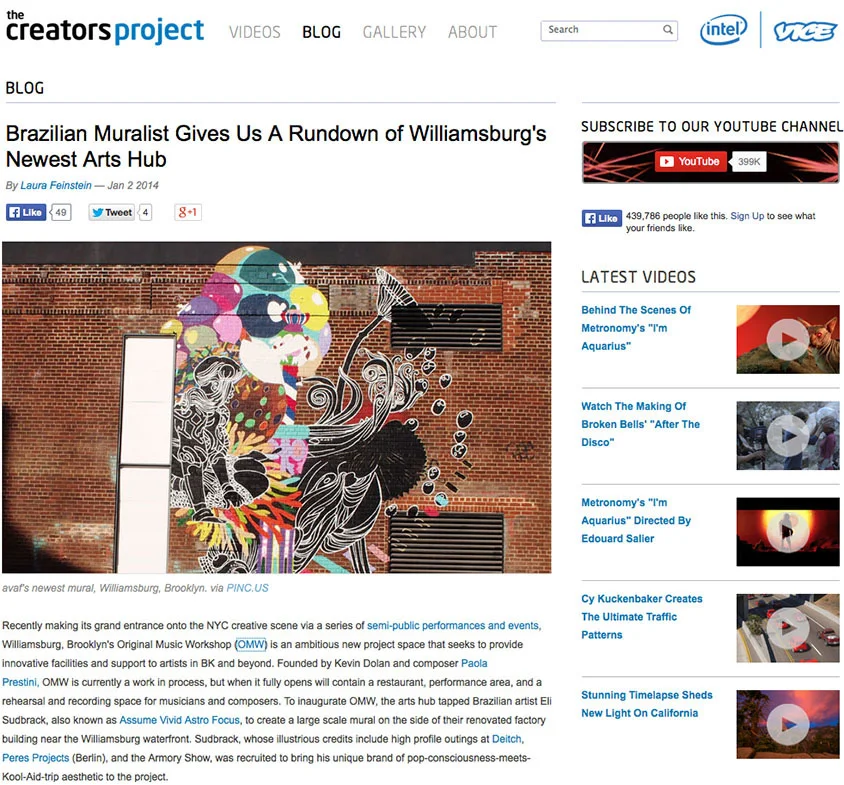
The Creators Project blog just posted a great interview of Eli Sudbrack of Assume Vivid Astro Focus about his new work on the facade of Original Music Workshop.

tags: Eli Sudbrack, Assume Vivid Astro Focus, Original Music Workshop, Williamsburg, Paola Prestini, Kevin Dolan, Bureau V, Vice Magazine, Intel, The Creators Project, PINC.US
categories: Press
Friday 01.03.14
Posted by Alexander Pincus
 

Original Music Workshop Rear Facade Revealed

Original Music Workshop Rear Facade Revealed

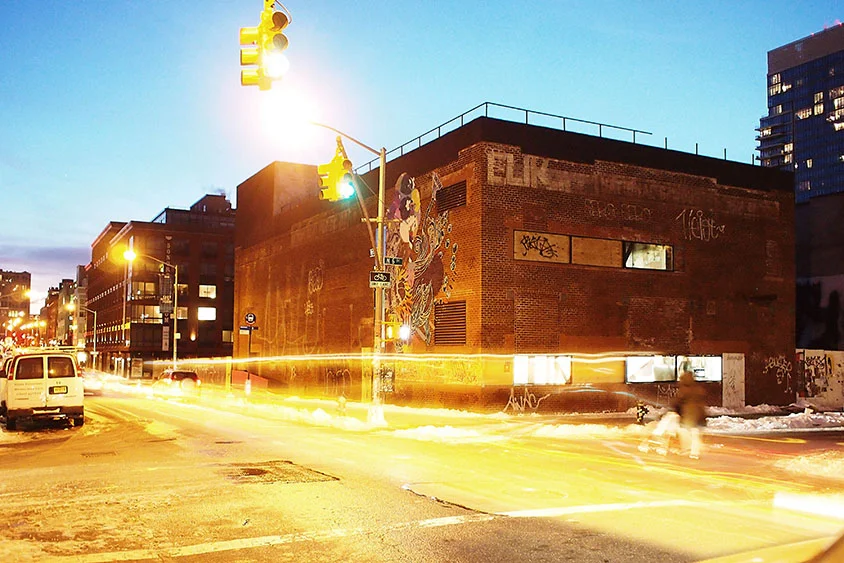
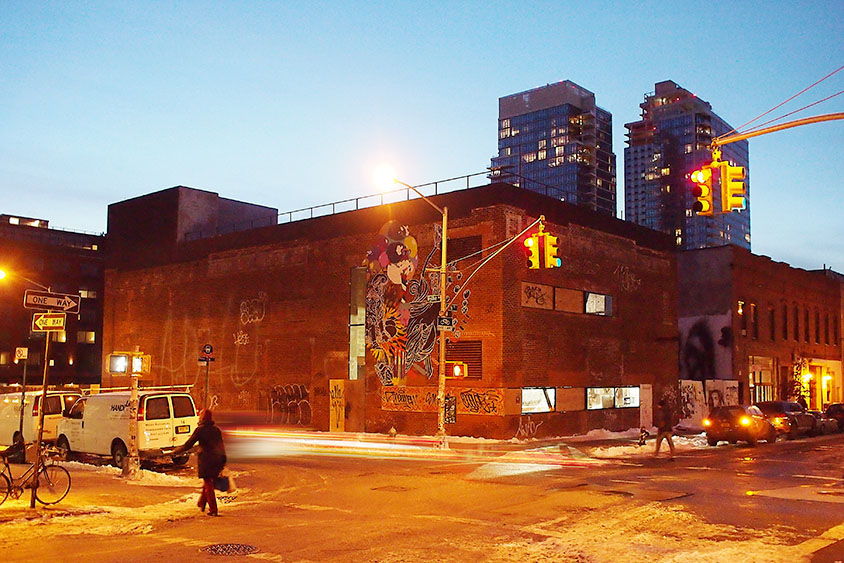
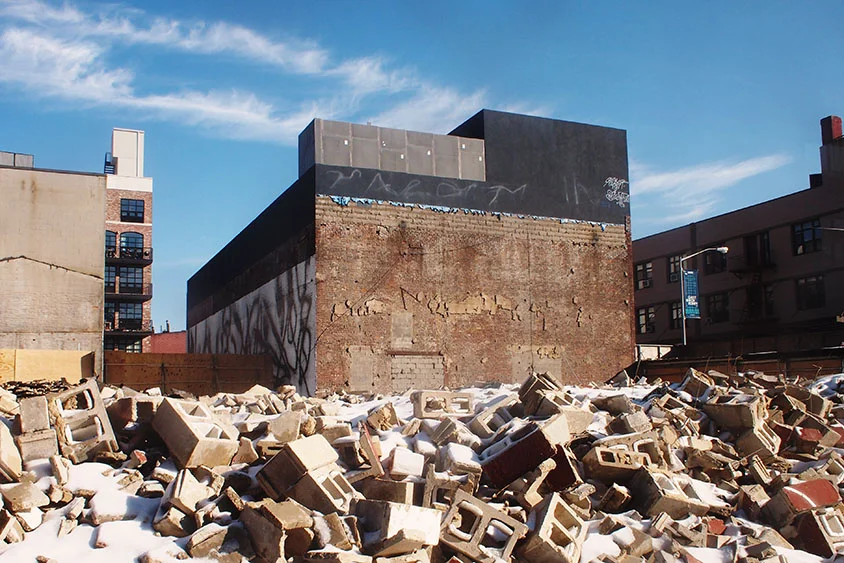
The rear facade of Original Music Workshop has been revealed, thanks to the recent demolition of our neighbor.  Enjoy it while it lasts...

tags: Original Music Workshop, Alcon Builders Group, Brooklyn, Facade, Demolition, Bureau V, PINC.US
categories: Construction
Saturday 12.21.13
Posted by Alexander Pincus
 

Happy Holidays

Higher Power Surge Protector

Higher Power Surge Protector

tags: Higher Power, Surge Protector, Christmas Lights, Means of Production, PINC.US
categories: Object
Friday 12.20.13
Posted by Alexander Pincus
 

Assume Vivid Astro Focus for Original Music Workshop

Assume Vivid Astro Focus at Original Music Workshop

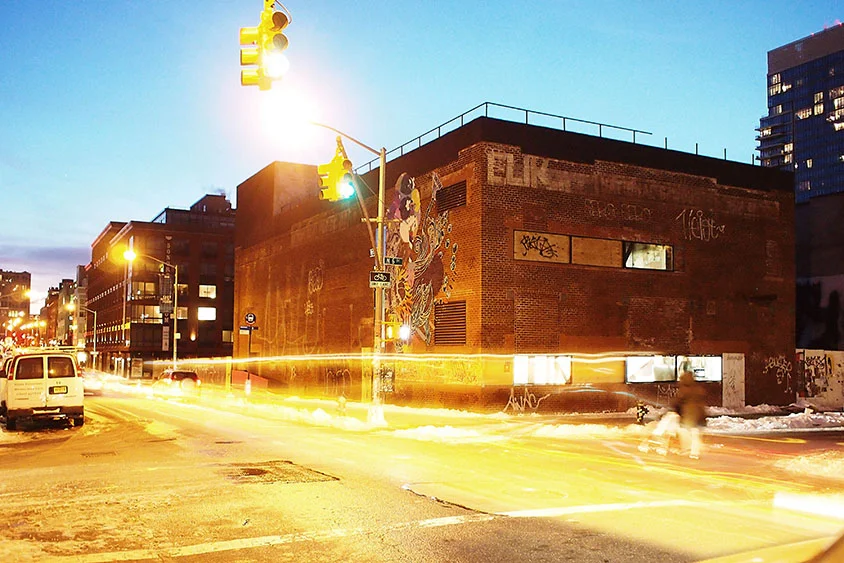
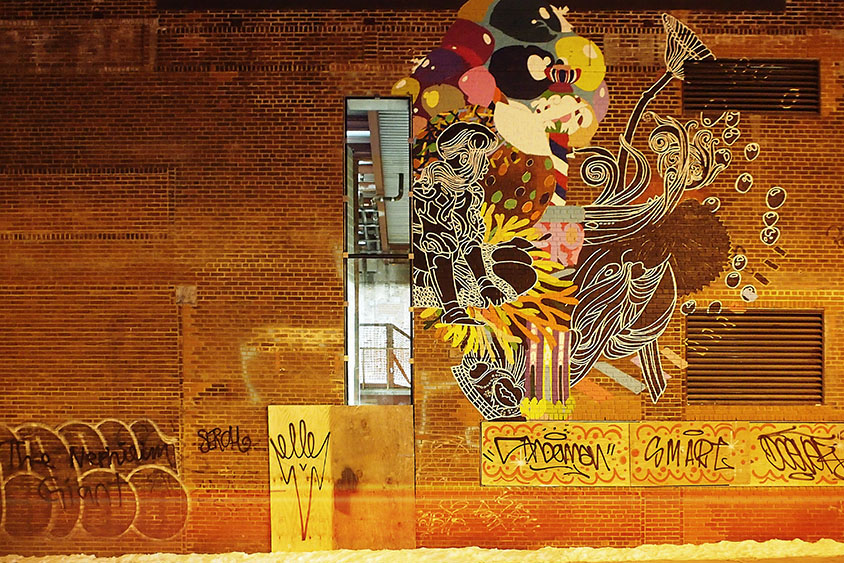
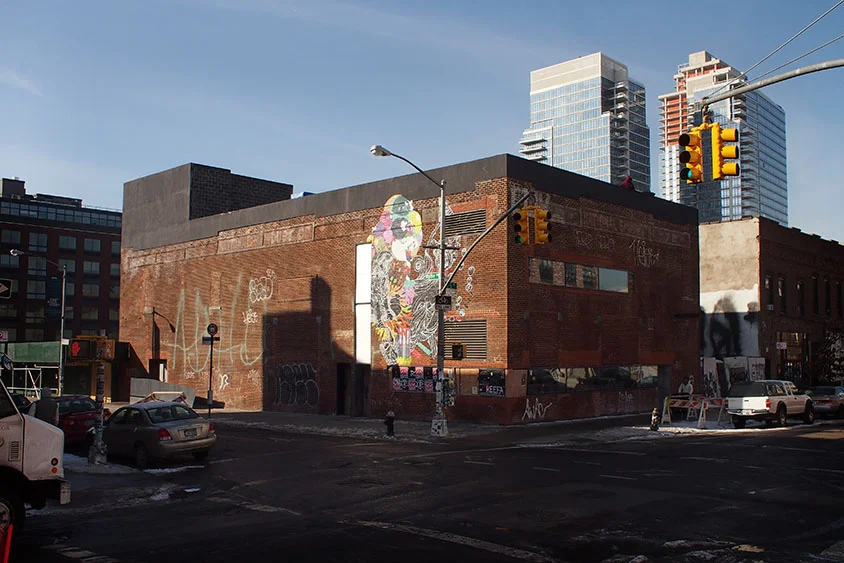
Assume Vivid Astro Focus, our collaborator on the Eye to Eye installation at the Guggenhiem Museum, recently painted a new, large-scale mural on the facade of Original Music Workshop.

Assume Vivid Astro Focus OMW
tags: Original Music Workshop, Assume Vivid Astro Focus, Brooklyn, Construction, Eye to Eye, Bureau V, PINC.US
categories: Friends & Family
Friday 12.20.13
Posted by Alexander Pincus
 

Love Always Reprise

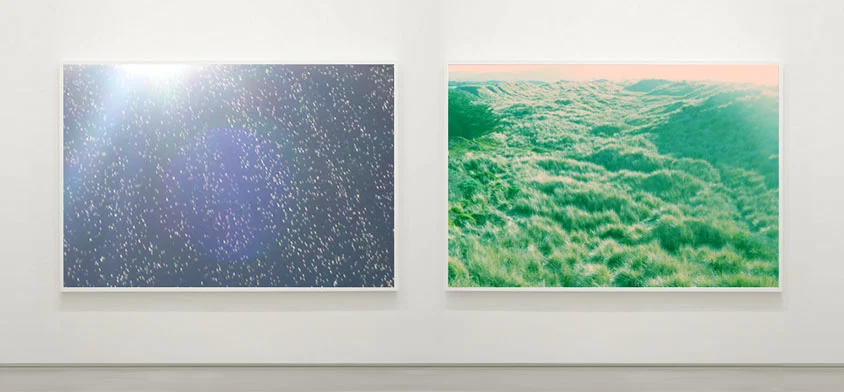
Love Always 2013 by Noah Olmsted & Alexander Pincus

Noah Olmsted and I have been collaborating for more than five years on our photography series Love Always. This is the latest. 

tags: XV, Love Always, Noah Olmsted, Collaborations, Art
categories: Photography
Monday 12.16.13
Posted by Alexander Pincus
 

Brooklyn's Original Music Workshop

Original Music Workshop Huffington Post

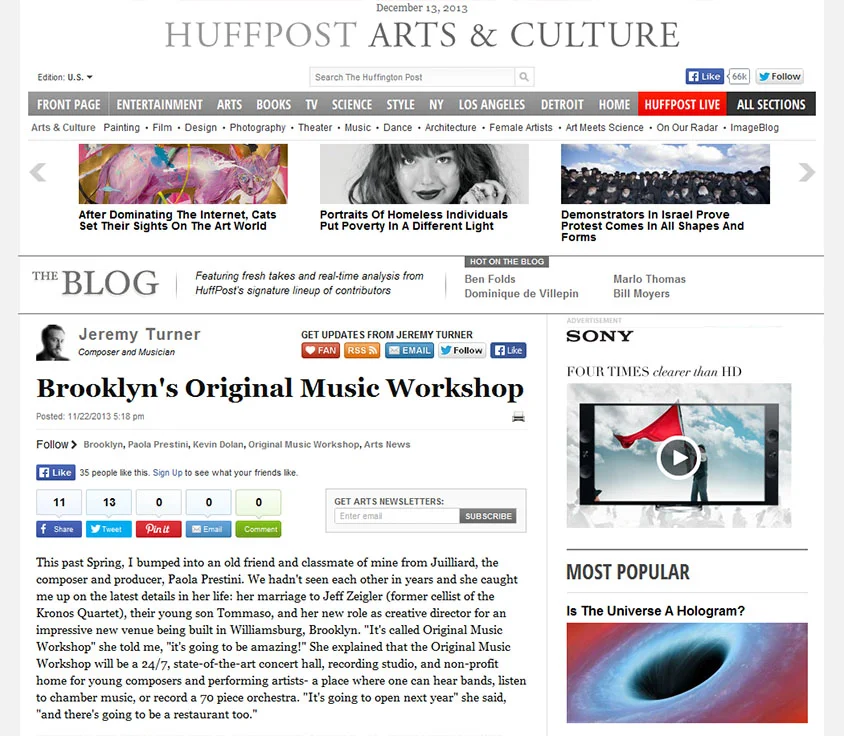
The Huffington Post recently published its second profile on Original Music Workshop.

tags: Huffington Post
categories: Press
Friday 12.13.13
Posted by Alexander Pincus
 

What Is Form?

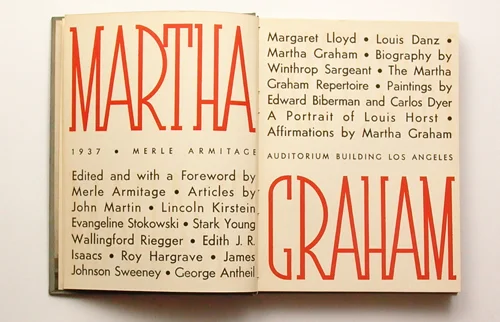
Martha Graham What is Form
Martha Graham Book Cover

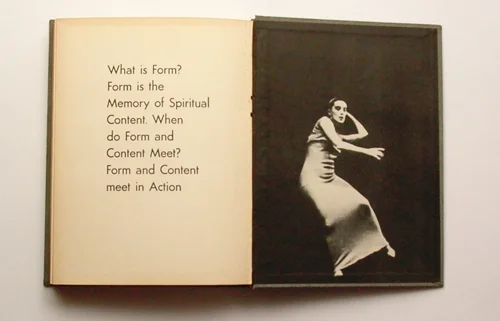
Searching for interesting letterhead design work, I came across AMASSBLOG, and then these great words from a book on Martha Graham:

What is Form?
Form is the
Memory of Spiritual
Content. When
do Form and
Content Meet?
Form and Content
meet in Action

Funnily enough, "What is Form?" is the title of my forthcoming book of interviews with architects, designers, and theorists on the nature of form.

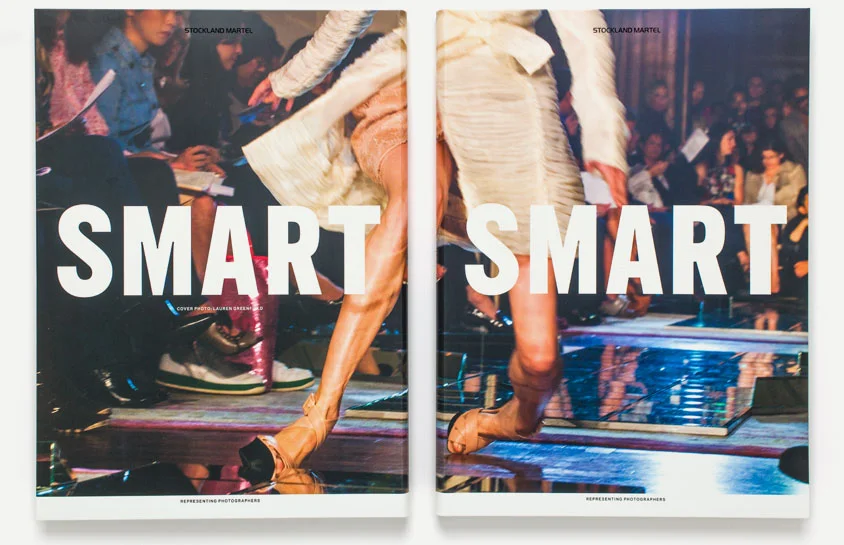
Smart Design:MW 

Looking into who was behind the blog, I discovered the amazing graphic studio DESIGN:MW run by JP and Allison Williams. They have a 20 year history fantastic work, and I'm sorry I was not aware of them until now.

tags: What Is Form, Martha Graham, AmassBlog, DESIGN:MW, JP and Allison Williams
categories: Awesome
Tuesday 12.03.13
Posted by Alexander Pincus
 
Newer / Older